



How it unfolded
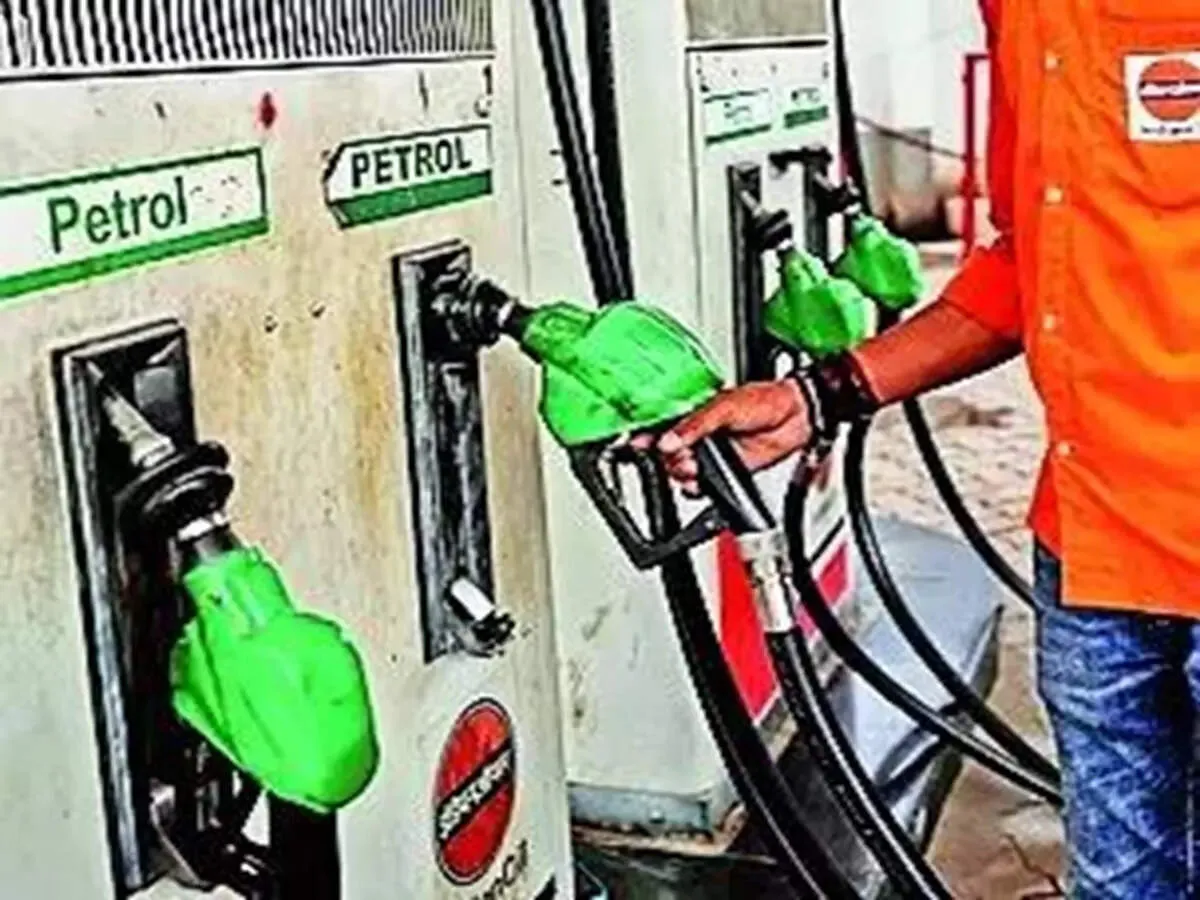
In recent days, the city of Indore, India, has experienced a wave of panic buying at petrol stations, driven by rumors of a petrol shortage. This surge in consumer behavior has raised concerns among residents and officials alike, prompting a swift response from the government and local authorities.
On March 25, 2023, petrol and diesel prices remained unchanged, with petrol priced at ₹94.77 per litre and diesel at ₹87.67 per litre in New Delhi. Despite the geopolitical uncertainties affecting energy-producing regions, the prices have remained stable, reflecting a commitment to maintaining fuel availability across the country.
As the rumors of a shortage began to circulate, motorists flocked to petrol stations in Indore, leading to a sudden rush that caught many fuel retailers off guard. Some petrol pumps faced short-term dry-outs due to delayed tanker arrivals, exacerbating the situation. M L Maru, the district supply controller, reassured the public, stating, “There is sufficient stock available and petrol pumps will continue to receive supplies.”
Local officials quickly moved to quell the rising anxiety among citizens. District administrations confirmed that there was no shortage of petrol, diesel, or cooking gas in the area. Rajendra Wasu, president of the Indore petrol dealers’ association, explained, “There was some delay in supply from a depot of one oil company which created panic in the evening. But there is no shortage of fuel.”
Indore district, with a daily consumption of approximately 10 lakh litres of petrol and 15 lakh litres of diesel, is home to around 275 fuel stations. The broader Madhya Pradesh region boasts about 5,500 fuel stations, ensuring that the infrastructure is in place to meet consumer demands. In nearby Ujjain, for instance, there are around 150 petrol pumps with adequate stocks of about 16,000 KL of petrol and 25,000 KL of diesel.
Despite the assurances from officials, the initial panic led to a flurry of activity at petrol stations. Motorists like Rohit Sharma and Anjali Jain expressed their concerns, with Sharma stating, “I saw messages saying petrol pumps might run dry, so I came to fill fuel,” while Jain noted, “Everyone suddenly came to fill petrol because of the rumours.” This collective anxiety highlights the power of information—whether accurate or not—in shaping consumer behavior.
As of now, the situation appears to be stabilizing, with officials emphasizing that there are no shortages at retail outlets and that oil refineries are operating at high capacity. The government has reassured citizens that essential fuels are available nationwide, which is crucial for maintaining public trust and preventing further panic.
The sequence of events in Indore serves as a reminder of how quickly misinformation can spread and impact consumer behavior. For residents and fuel retailers alike, understanding the realities of fuel availability is essential in navigating these uncertain times. The government’s proactive communication and the operational readiness of oil refineries are vital in ensuring that the public remains informed and calm in the face of potential crises.