



Who is involved
In recent months, the landscape of fuel pricing in India has been a topic of intense discussion, particularly as global crude oil prices surged from around $70 per barrel to nearly $122 per barrel. This increase has put considerable pressure on oil marketing companies, which have been incurring significant losses—estimated at around Rs 24 per litre on petrol and Rs 30 per litre on diesel. Prior to the government’s recent decision, there was a growing expectation that consumers would bear the brunt of these rising costs.
On March 27, 2026, a decisive moment arrived when the government announced a cut in excise duty on petrol by Rs 10 per litre, reducing it to Rs 3 per litre from Rs 13. Furthermore, the excise duty on diesel was slashed to zero from Rs 10 per litre. This move came as a surprise to many, especially in light of the ongoing global uncertainties affecting oil prices. The government faced a choice between passing on the full impact to consumers or absorbing part of the shock, as noted by Oil Minister Hardeep Singh Puri.
The immediate effects of this policy shift are multifaceted. While the excise duty cuts are expected to lead to a staggering revenue loss of INR 1.75 lakh crore annually, they also aim to provide some relief to consumers who have been grappling with rising fuel costs. Finance Minister Nirmala Sitharaman emphasized that the reduction in excise duty would protect consumers from further price hikes, a sentiment echoed by many in the industry.
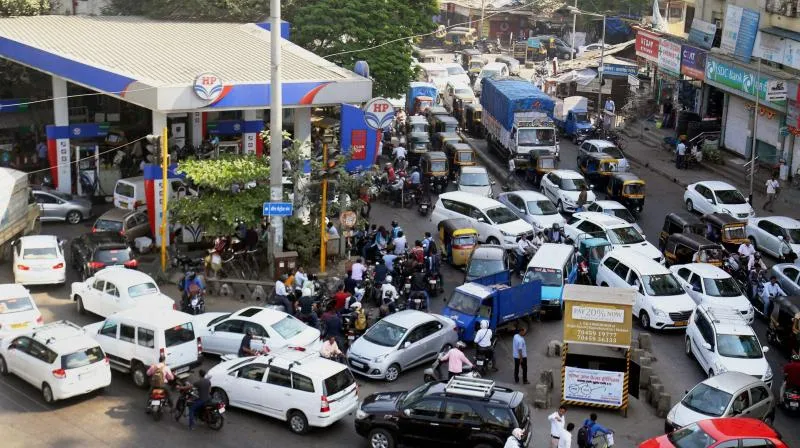
However, the reality on the ground is more complex. Despite the excise revision, retail pump prices remained unchanged, raising questions about how quickly oil marketing companies will pass on the benefits of the duty cut to consumers. Experts suggest that while the cut may not make fuel cheaper, it could prevent prices from rising further at a time of global uncertainty. The benefit of the duty cut is being used to stabilize prices, not reduce them, indicating a strategic approach by the government.
As the situation unfolds, uncertainties linger regarding the long-term impact of the excise duty cut on retail fuel prices. Details remain unconfirmed, and many are left wondering how this policy will play out in the coming months. The government’s decision appears to be a balancing act, attempting to alleviate public concern ahead of state elections while managing the financial implications of such a significant revenue loss.
In the broader context, the imposition of export duties of INR 21.5 per litre on diesel and INR 29.5 per litre on aviation turbine fuel (ATF) also reflects the government’s strategy to navigate the complexities of the global oil market. This dual approach of cutting domestic excise duties while imposing export duties highlights the challenges faced by policymakers in a volatile economic environment.
As stakeholders from consumers to oil companies adjust to this new reality, the implications of the excise duty cuts will likely resonate throughout the economy. The government’s actions signal a willingness to intervene in the market to protect consumers, yet the effectiveness of these measures will depend on how they are implemented and perceived in the months ahead.