


The ongoing conflict with Iran has seen a significant escalation, with the U.S. military action resulting in the deaths of 13 American service members. This tragic outcome has heightened scrutiny over the decision-making processes within the Trump administration, particularly regarding the role of Pete Hegseth.
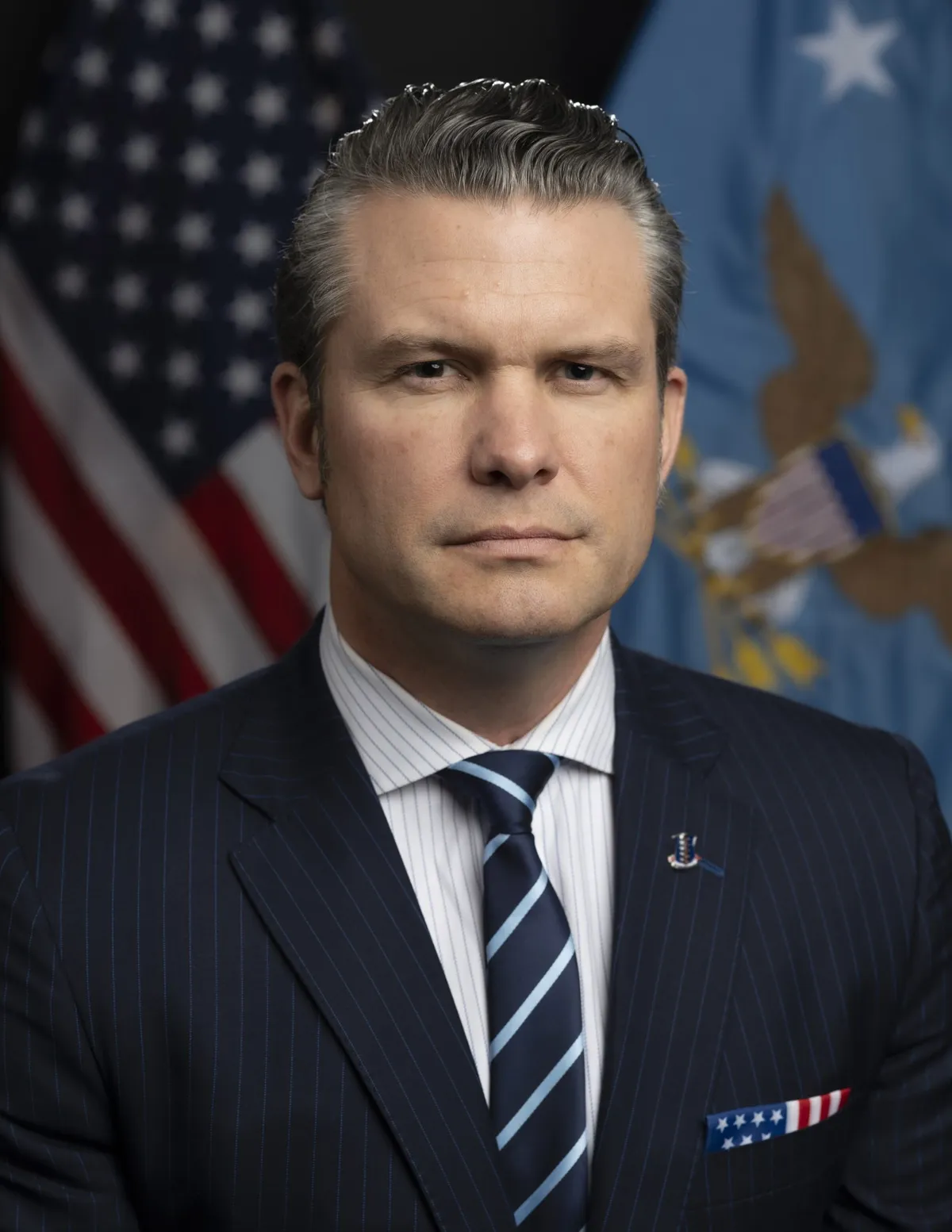
Recently, Donald Trump revealed that Hegseth was the first to advocate for military action against Iran during discussions about the Middle East. Trump praised Hegseth for his quick response, stating, “Pete, I think you were the first one to speak up and you said, ‘Let’s do it because you can’t let them have a nuclear weapon.'” This endorsement highlights Hegseth’s growing influence in military strategy.
The conflict, which began in late February 2026, has roots in a complex narrative surrounding Iran’s long history as a “purveyor of terror” for 47 years, as noted by Trump. Amidst this turmoil, Trump has extended the deadline for Iran to meet U.S. demands by five days, suggesting ongoing, albeit contentious, negotiations.
However, Iran has vehemently denied any negotiations with the U.S., labeling Trump’s claims as “fake news” aimed at manipulating financial and oil markets. This denial raises questions about the veracity of the Trump administration’s claims regarding diplomatic efforts.
As the situation unfolds, Hegseth has taken a visible role in the Pentagon regarding the war effort, asserting that the military strategy is “very much on track” without committing to a definitive timeframe. This approach reflects a broader uncertainty within the administration about the objectives and justifications for the military action.
Joe Kent’s resignation, marking him as the first senior official to step down over the conflict, underscores the internal dissent regarding the administration’s strategy. Trump has indicated that various figures within his administration have pushed for military action, further complicating the narrative.
Details remain unconfirmed regarding the exact reasons for the U.S. military action against Iran, as well as the status of negotiations between the two nations. As the conflict continues to evolve, the implications of Hegseth’s influence on military strategy will likely remain a focal point in discussions about U.S. foreign policy.