




What observers say
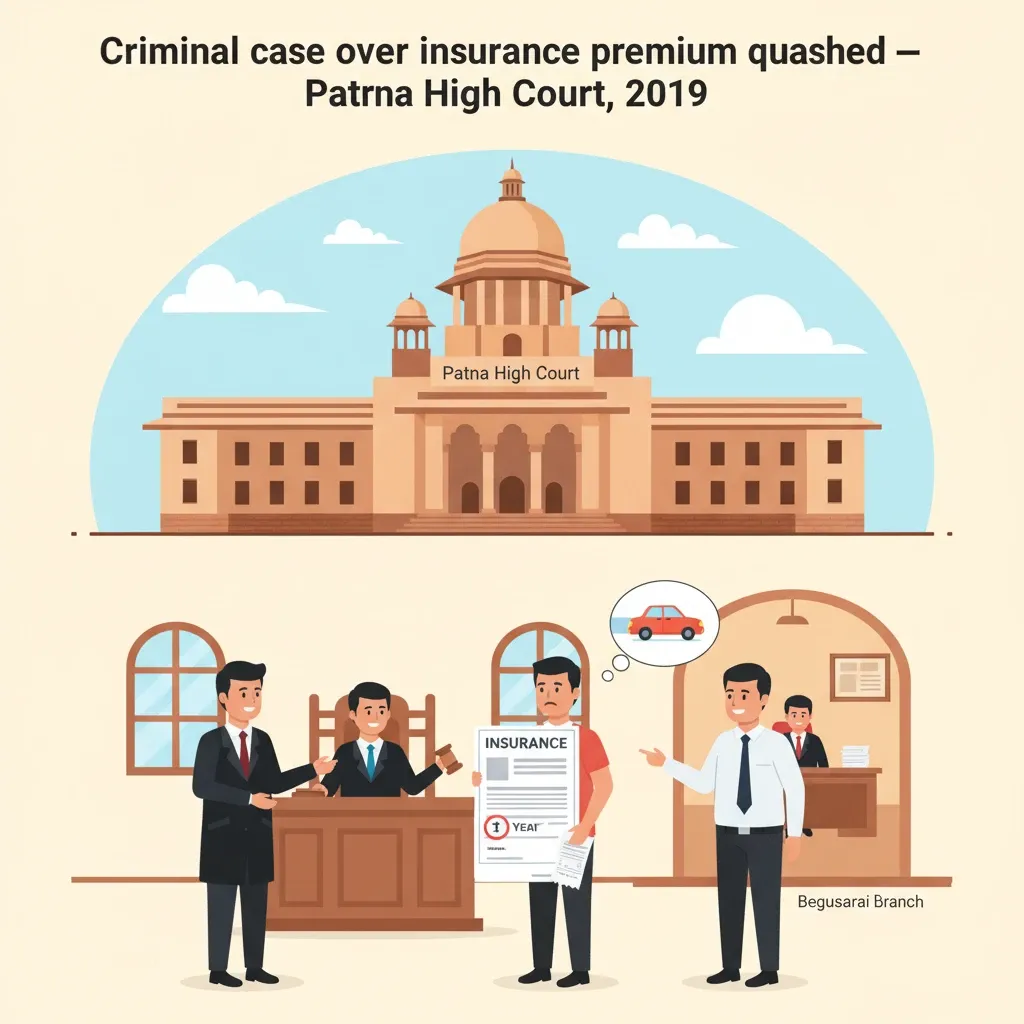
“Charging premium by a nationalised insurance company is part of a commercial transaction,” stated the Patna High Court in a recent ruling that quashed a criminal case against a Branch Manager of New India Assurance Company Limited. This decision has sparked discussions about the nature of insurance transactions and the responsibilities of both consumers and providers.
The case originated from a complaint filed by Gopi Krishna Sah, a tractor owner from Begusarai, who alleged that he had been cheated over an insurance premium of Rs. 14,744 for his vehicle. Sah claimed he was misled into believing that the insurance policy provided lifetime coverage, a claim that the court ultimately found to be unfounded.
Upon reviewing the evidence, the court noted that the insurance policy was clearly stated to be valid for just one year, as indicated on the receipt. The judge, Ahsanuddin Amanullah, emphasized the importance of reading and understanding insurance documents, a reminder that resonates with many consumers who may overlook the fine print in such agreements.
Interestingly, the court also pointed out that Sah had previously paid a lower premium of Rs. 3,383 for the same vehicle, which raises questions about the expectations set by the insurance company and the clarity of their communications. The increase in premium was attributed to a reclassification of tractors under new guidelines, further complicating the situation.
The court’s ruling underscored that the transaction in question was a commercial one rather than a criminal offense. This distinction is crucial, as it delineates the boundaries of consumer protection laws and the legal recourse available to individuals who feel wronged in such transactions.
As the legal landscape surrounding insurance practices continues to evolve, this case serves as a pivotal moment for consumers and insurance companies alike. The ruling not only clarifies the court’s stance on such matters but also highlights the need for greater transparency in the insurance industry.
Looking ahead, stakeholders in the insurance sector may need to reassess their communication strategies to ensure that consumers are fully informed about the terms and conditions of their policies. As the Patna High Court’s ruling reverberates through the legal community, it may prompt further discussions on consumer rights and the responsibilities of insurance providers.