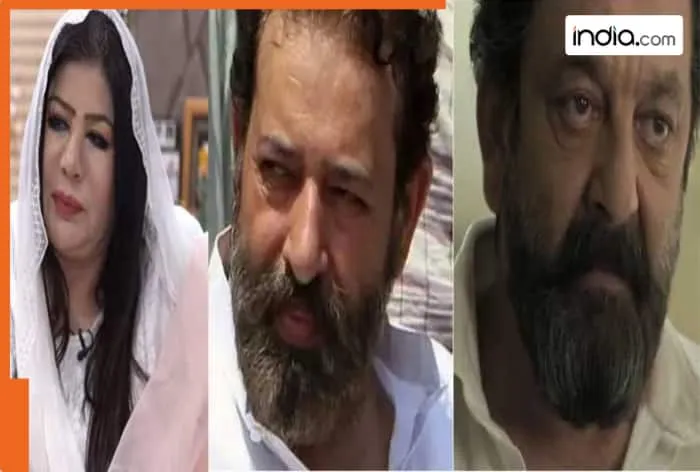



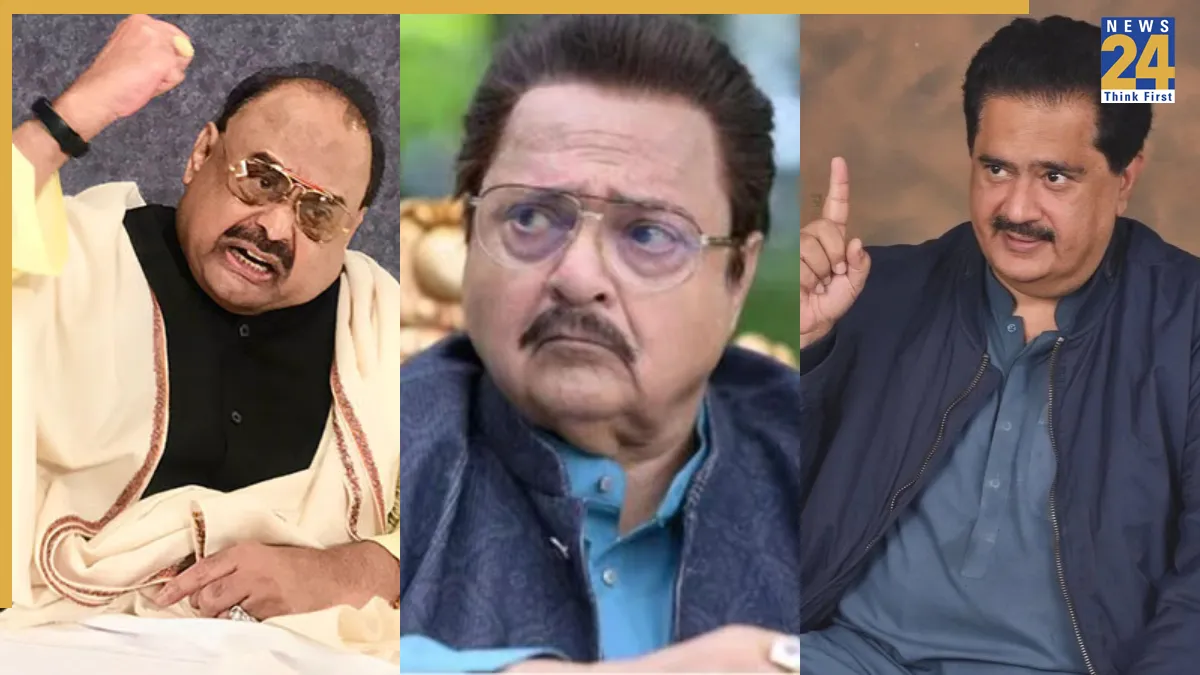
Nabil Gabol, a veteran Pakistani politician and prominent tribal chief of the Gabol tribe, has recently made headlines due to his concerns over the portrayal of a character inspired by him in the film Dhurandhar: The Revenge. Gabol, who currently serves as a Member of the National Assembly representing the Pakistan Peoples Party from Karachi’s NA-239 constituency, expressed his dissatisfaction with the film’s depiction.
Born on November 16, 1962, Gabol is now 63 years old and has had a long political career, having served multiple terms in the National Assembly from 2002 to 2015 and again from 2024 to the present. He was also the youngest Deputy Speaker of the Sindh Assembly from 1993 to 1996.
In his recent statements, Gabol criticized the filmmakers, stating, “It’s not me. Don’t believe whatever is depicted in the film. It’s a crooked attempt by Indian filmmakers to deliberately distort and malign my character. But that’s not me.” His concerns stem from the fear that audiences might confuse the fictional portrayal with reality, potentially leading them to view him as an Indian spy.
This isn’t the first time Gabol has addressed the character of Jameel Jamali, which he acknowledged was inspired by his persona during the release of the first part of Dhurandhar. However, he feels that the latest installment has taken liberties that misrepresent his character.
Gabol’s remarks come amid a backdrop of ongoing tensions between India and Pakistan, where cultural representations can often stir controversy. The portrayal of political figures in media is a sensitive topic, particularly when it involves cross-border narratives.
Additionally, Gabol has faced trolling online for his differing views on the character’s portrayal in the sequel compared to the first film. This has added another layer of complexity to his public image and the reception of the film.
As the situation develops, Gabol’s concerns highlight the broader implications of how political figures are represented in popular culture and the potential consequences of such portrayals on their public perception.
Details remain unconfirmed regarding any further actions Gabol may take in response to the film, but his statements have certainly sparked discussions about the intersection of politics and media representation.