



How it unfolded
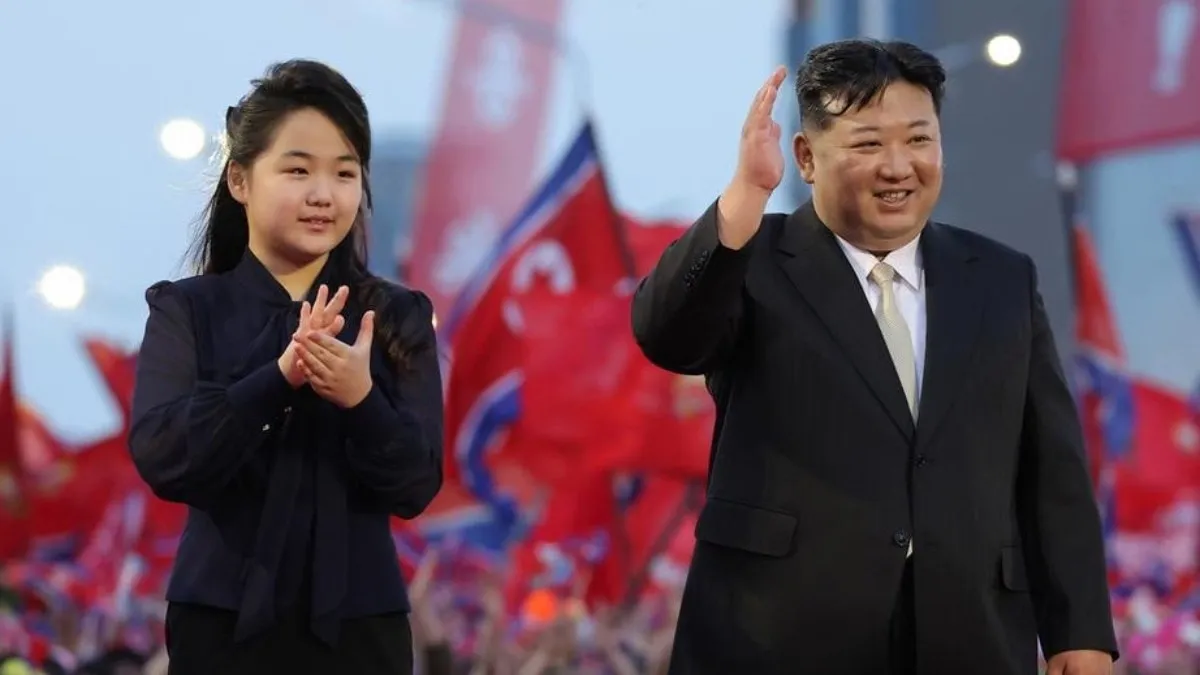
As the world watched with bated breath, North Korea prepared for its parliamentary elections on March 15, 2026. This election was particularly noteworthy, not only because of the political climate but also due to the historical context surrounding it. Kim Jong Un, who has been in power since 2011 following the death of his father, Kim Jong Il, faced a unique moment in his leadership as North Korea’s political landscape began to show faint signs of change.
On the day of the election, reports indicated a staggering voter turnout of 99.99%. This figure, while impressive, also raised eyebrows regarding the nature of electoral freedom in a country where candidates are pre-selected by the ruling Workers’ Party of Korea. Voters were left with little choice, essentially casting their ballots in a binary decision that favored the party’s candidates.
As the results came in, Kim Jong Un scored an overwhelming 99.93% of the votes. This statistic, while reflecting a solidified grip on power, also marked a significant moment in North Korean history: for the first time since 1957, dissenting votes were acknowledged. A mere 0.07% of voters chose to reject the official candidates, a gesture that, although minuscule, hinted at a potential shift in public sentiment.
Interestingly, the election also highlighted logistical challenges faced by the electorate. A small fraction of the population, 0.0037%, was unable to vote due to being abroad or at sea, while an almost negligible 0.00003% abstained from voting altogether. Such statistics, while seemingly trivial, underscore the tightly controlled environment in which these elections occur.
The Supreme People’s Assembly, which consists of 687 representatives, serves as the legislative body in North Korea. The assembly’s role is largely ceremonial, with real power residing in the hands of Kim Jong Un and his inner circle. The overwhelming support for Kim in this election solidifies his authority, but the acknowledgment of dissenting votes could signal a crack in the façade of absolute control.
As North Korea moves forward from this election, the implications are profound. For Kim Jong Un, the results reinforce his position, yet the emergence of dissent, however slight, may compel the regime to reassess its approach to governance and public engagement. The political landscape in North Korea remains complex, and the acknowledgment of differing opinions, even in such a limited capacity, could pave the way for future developments.
In the grand scheme of North Korean politics, these elections matter significantly. They reflect not only the current state of governance but also the potential for change within a regime that has long been characterized by its rigidity and control. As the dust settles from the elections, the world will be watching closely to see how Kim Jong Un navigates this new terrain, balancing the need for stability with the undeniable whispers of dissent that have begun to surface.