



Reaction from the field
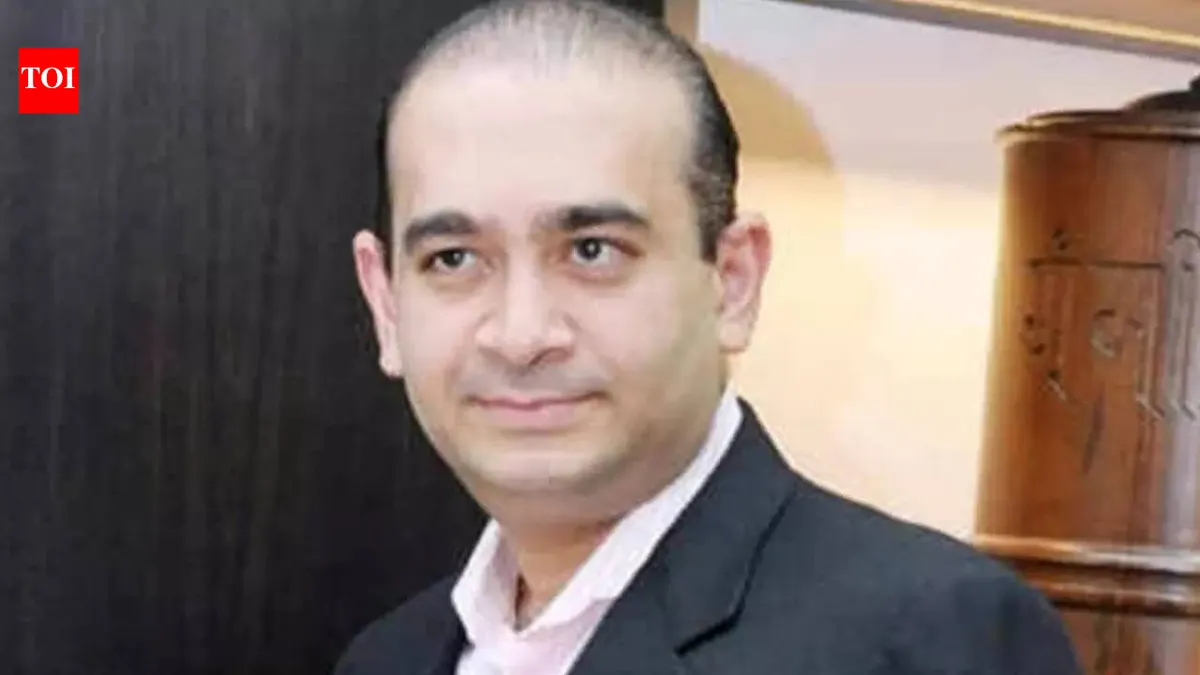
The UK High Court’s recent decision to reject Nirav Modi’s plea to reopen his extradition case marks a significant moment in the ongoing saga of this high-profile fraud case. The ruling underscores the serious implications for Modi, who is wanted in India for his alleged involvement in a massive fraud against Punjab National Bank (PNB), amounting to approximately ₹11,000 crore (around $1.4 billion). This decision not only affects Modi’s future but also has broader ramifications for diplomatic relations between India and the United Kingdom.
Modi, a fugitive diamond merchant, fled India in 2018 amid allegations of orchestrating a complex scheme that defrauded PNB. He was arrested in the UK in 2019, and since then, his legal battles have attracted considerable media attention. The High Court’s ruling relied heavily on the assurances provided by the Indian government regarding Modi’s treatment if extradited, which the court deemed comprehensive and reliable. This reliance on diplomatic assurances highlights the delicate balance of trust that exists in international legal proceedings.
The court emphasized that the assurances given by India were specific and enforceable through Indian courts, a crucial factor in their decision. The UK High Court stated, “The assurances are cognisable at a diplomatic level because the consequences of any breach would be extremely damaging to the relationship of mutual trust and confidence between India and the United Kingdom.” This statement reflects the high stakes involved, not just for Modi but for the diplomatic ties between the two nations.
Modi’s application to reopen the appeal was based on a judgment related to another extradition case, that of Sanjay Bhandari, expected in February 2025. However, the court found that the grounds presented by Modi did not meet the threshold of exceptional circumstances necessary to warrant a reopening of the case. This ruling effectively closes another door for Modi, who has consistently maintained his innocence, claiming he did not commit fraud against PNB and accusing the bank of colluding with the Central Bureau of Investigation (CBI).
As the legal proceedings unfold, the financial implications of this case remain staggering. Modi is reported to owe around ₹10.7 million (approximately $130,000) to the Bank of India, a fraction of the total fraud amount that has been falsely reported by media as ₹6,000 crore. The discrepancies in reported figures highlight the complexities surrounding the case and the challenges in public perception.
Looking ahead, the situation remains fluid. While the UK High Court has made its ruling, the potential for further legal maneuvers by Modi’s defense team cannot be ruled out. The court’s decision does not eliminate the possibility of future appeals or new developments that could arise from ongoing investigations by the Enforcement Directorate and the CBI. Details remain unconfirmed, and the international community will be watching closely as this case continues to evolve.
In summary, the UK High Court’s rejection of Nirav Modi’s plea to reopen his extradition case not only signifies a setback for the fugitive but also reinforces the importance of diplomatic assurances in international law. As the legal battles continue, the implications for Modi, PNB, and the diplomatic relations between India and the UK remain significant and complex.