




Who is involved
The Nikkei 225 index, a key indicator of Japan’s stock market performance, has recently faced a notable downturn. Prior to this development, analysts had anticipated a stable market, buoyed by moderate inflation rates and a recovering economy. However, the landscape has shifted dramatically, as evidenced by a staggering 3.48% drop in the index on March 25, 2026, and a cumulative 9.34% decline over the past month.
This sharp decline has not only affected the index but has also reverberated through various sectors. The advance-decline ratio across the market stands at a mere 0.07, indicating that only 8 out of 176 large-cap stocks managed to advance on this day. Companies such as Daiichi Sankyo Co., Ltd. saw a modest gain of 2.0%, while others like Renesas Electronics Corp. suffered a significant loss of 9.16%.
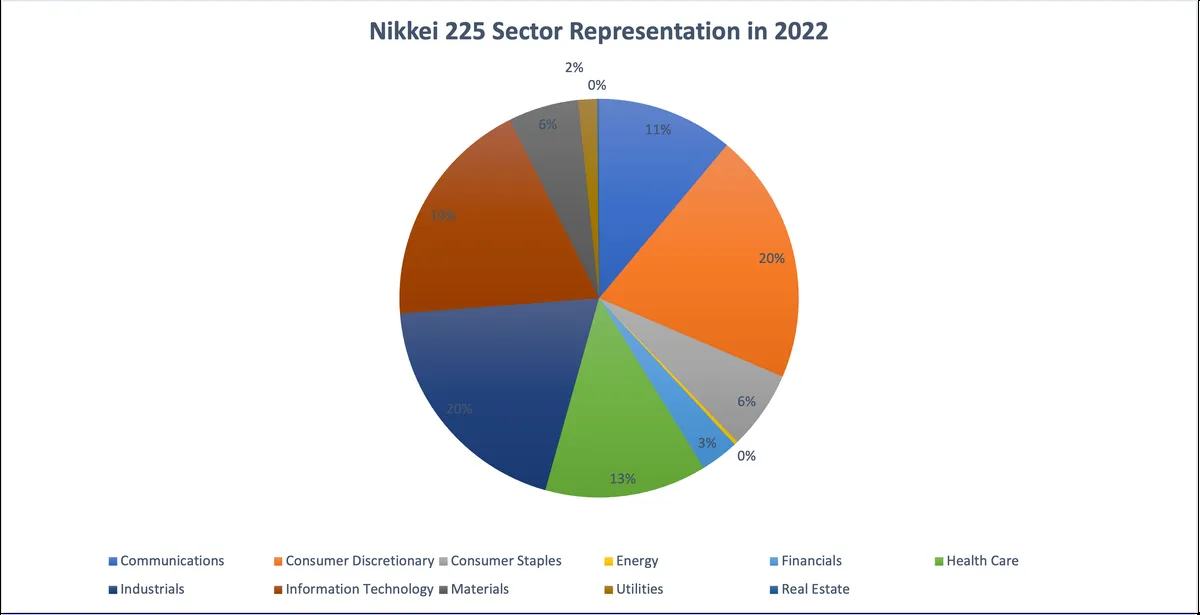
The decisive moment came as geopolitical tensions and economic uncertainties weighed heavily on investor sentiment. The most significant price decreases were observed in the electricity and gas sectors, further contributing to the overall market decline. Mitsubishi Materials Corp. experienced a notable drop of 9.35%, while Japan Display, Inc. faced a staggering loss of 31.58%.
Experts have pointed out that the current contraction in the market is alarming. “The Japanese stock market is under significant strain,” said one analyst, highlighting the precarious situation investors find themselves in. With core inflation rates easing from 2% to 1.6%, and headline inflation decelerating from 1.5% to 1.3%, the economic environment seems to be shifting, yet the market’s reaction has been overwhelmingly negative.
As the Nikkei 225 index continues to struggle, the implications for the broader economy are concerning. The current contraction persists, with short-term support established at 48,500. However, analysts warn that a breach of the 40,000 zone could significantly heighten the probability of a deeper market correction, raising alarms for investors and stakeholders alike.
Despite the challenges, there are pockets of resilience. Kadokawa Corp. reported an impressive gain of 8.32%, while Meiji Shipping Group Co., Ltd. achieved a remarkable return of 16.81%. These outliers suggest that not all is lost, yet the overall trend remains troubling.
Looking ahead, uncertainties loom large. The exact impact of rising energy prices on the Nikkei 225 is unclear, and details remain unconfirmed. As the market grapples with these challenges, the future trajectory of the Nikkei index remains uncertain amid current market conditions, leaving investors to navigate a complex landscape.