



The wider picture
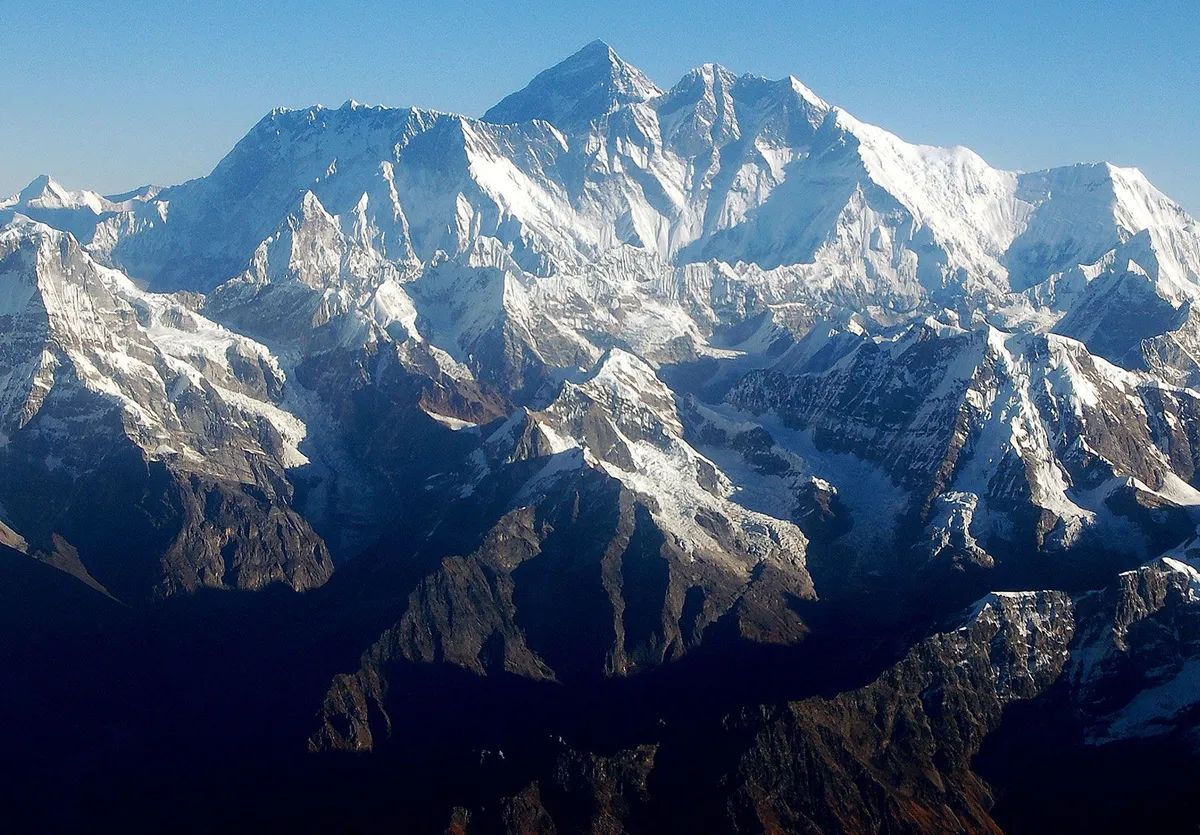
Mount Everest, the world’s highest peak, has long been a symbol of adventure and human endurance. However, the mountain’s reputation has recently been tarnished by an alleged $20 million insurance scam that has raised serious concerns about the integrity of the climbing community in Nepal. This scandal involves staged rescues and fraudulent insurance claims, casting a shadow over the safety protocols that climbers rely on.
In a significant development, Nepal’s Central Investigation Bureau has arrested ten individuals connected to this elaborate scheme. The investigation has revealed that 32 guides have been charged, with nearly 4,800 international climbers treated at hospitals implicated in the scam between 2022 and 2025. These alarming figures highlight the scale of the fraud and its potential impact on the climbing industry.
According to authorities, the scam involved faking documents and forging passenger and cargo manifests to facilitate fraudulent insurance claims. In some shocking instances, it has been alleged that guides even poisoned their clients to create fake emergencies, ensuring that they could claim insurance payouts. “Foreign tourists were systematically defrauded,” stated a spokesperson from Nepal’s Central Investigation Bureau, underscoring the severity of the situation.
The Nepali government is now investigating fraudulent helicopter rescues that total approximately $19 million. This investigation is part of a broader effort to reform the Everest climbing industry, especially following the recent appointment of Balendra Shah as Prime Minister in March 2026. Shah has expressed a commitment to improving safety standards and restoring the integrity of Nepal’s tourism sector.
As the investigation unfolds, the climbing community is witnessing other significant developments on Everest. Notably, climbers like Kristin Harila are attempting no-oxygen ascents of Everest, Lhotse, and Nuptse in 2026, showcasing the spirit of adventure that still thrives despite the recent controversies. Additionally, a Romanian climber is undertaking an extraordinary journey, walking nearly 1,300 miles from sea level to Everest, while Nepali climbers plan an initiative called Summit to Sea to raise awareness for river health.
Mingma David Sherpa, a prominent figure in the climbing community, emphasized the urgent need for reforms, stating, “We need to reduce the number of people dying.” This sentiment reflects a growing concern among climbers and guides about the safety measures in place on Everest, especially in light of the ongoing investigation into the insurance scam.
As drones are increasingly used to transport supplies on Everest in 2026, the landscape of climbing is evolving. However, the shadow of the insurance scam looms large, with Nepal police spokesperson noting that “hospitals, helicopter operators, and guides are also linked in this chain,” indicating a widespread issue that may take time to resolve.
Details remain unconfirmed regarding the full extent of the insurance scam and the number of individuals involved. As the investigation continues, observers are keenly watching how the Nepali government will address these issues and what measures will be implemented to ensure the safety and integrity of future expeditions on Mount Everest.