


How it unfolded
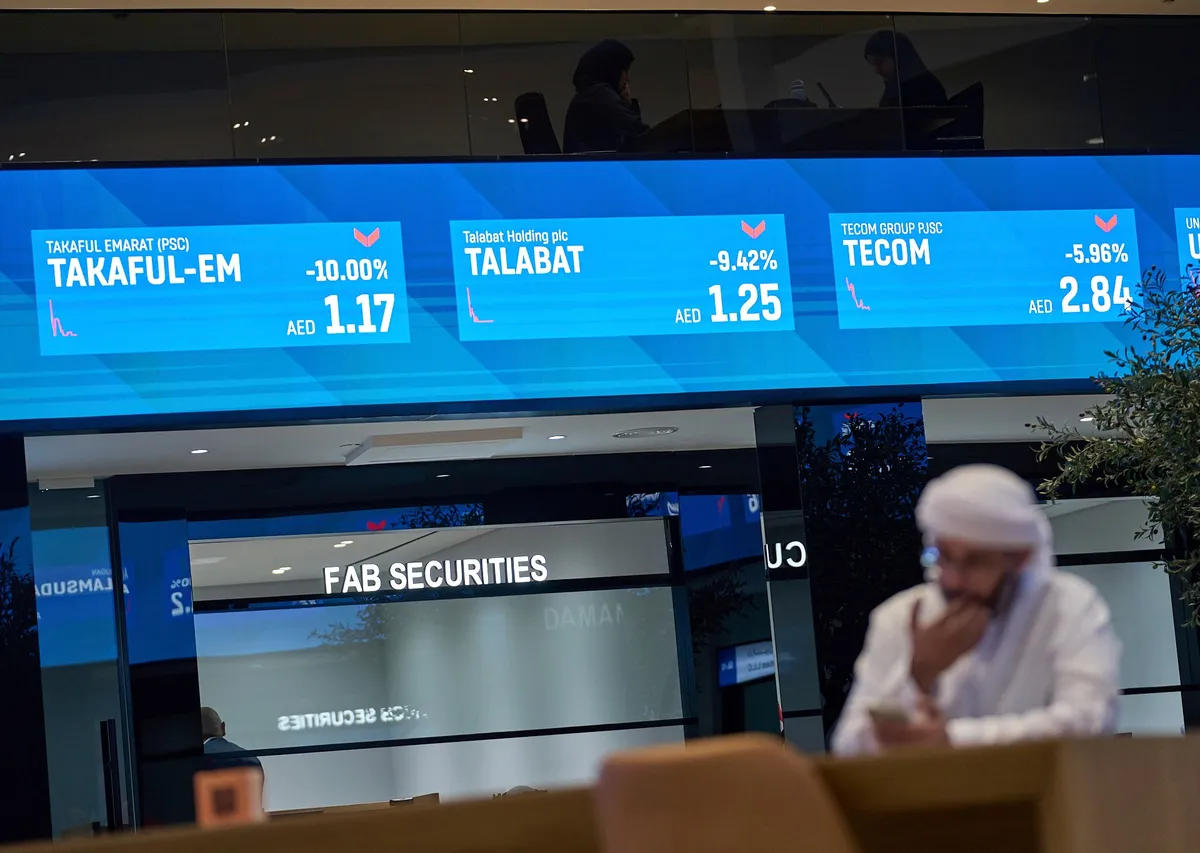
As the conflict in West Asia escalated over the past three weeks, Prime Minister Narendra Modi has been actively engaging with leaders from Gulf countries, Iran, Israel, and the United States. This crisis has not only created humanitarian pressures but has also raised significant economic and national security concerns for India, a nation deeply intertwined with the region.
In the wake of the conflict, Modi emphasized the urgency of a united response from India, stating, “India’s concerns are naturally greater, and therefore it is essential that a united and unanimous voice goes out to the world from India’s Parliament on this crisis.” This call for unity reflects the gravity of the situation, especially considering that nearly one crore Indians live and work in Gulf countries, many of whom are directly affected by the ongoing turmoil.
Since the onset of the war, more than 3,75,000 Indians have returned home safely, a testament to the government’s proactive measures. To facilitate this, the Indian government has established 24/7 control rooms and emergency helplines for its citizens abroad, ensuring that they have access to assistance during these challenging times.
Modi has also highlighted India’s strategic resources, noting that the country possesses a Strategic Petroleum Reserve of more than 53 lakh metric tonnes. This reserve is crucial as India navigates the potential disruptions in energy supplies resulting from the conflict. Over the past 11 years, India has expanded its energy import sources from 27 to 41 countries, a move that has enhanced its energy security amid global uncertainties.
In his live addresses, Modi has raised concerns regarding the reopening of the Strait of Hormuz, a vital maritime route for oil shipments. He stated, “India has raised the issue of de-escalation and the reopening of the Strait of Hormuz,” underscoring the importance of this passage for global energy supplies and India’s economic stability.
The impact of the conflict has also been felt in the education sector, with the Central Board of Secondary Education (CBSE) canceling scheduled Class 10th and 12th examinations in Indian schools located in Gulf countries. This decision reflects the government’s commitment to prioritizing the safety and well-being of its citizens abroad.
As the situation continues to evolve, Modi’s government is closely monitoring global developments to protect both consumer and industry interests. He remarked, “Continuous efforts are also underway to determine how we can overcome the disruptions that have occurred in the supply chain.” This proactive approach aims to mitigate any adverse effects on the Indian economy.
In summary, the ongoing crisis in West Asia is not just a regional issue; it has profound implications for India, given its extensive trade relations and the significant Indian diaspora in the Gulf. Modi’s live updates and diplomatic engagements are crucial as India seeks to navigate this complex landscape, ensuring the safety of its citizens while safeguarding its national interests.