

How it unfolded
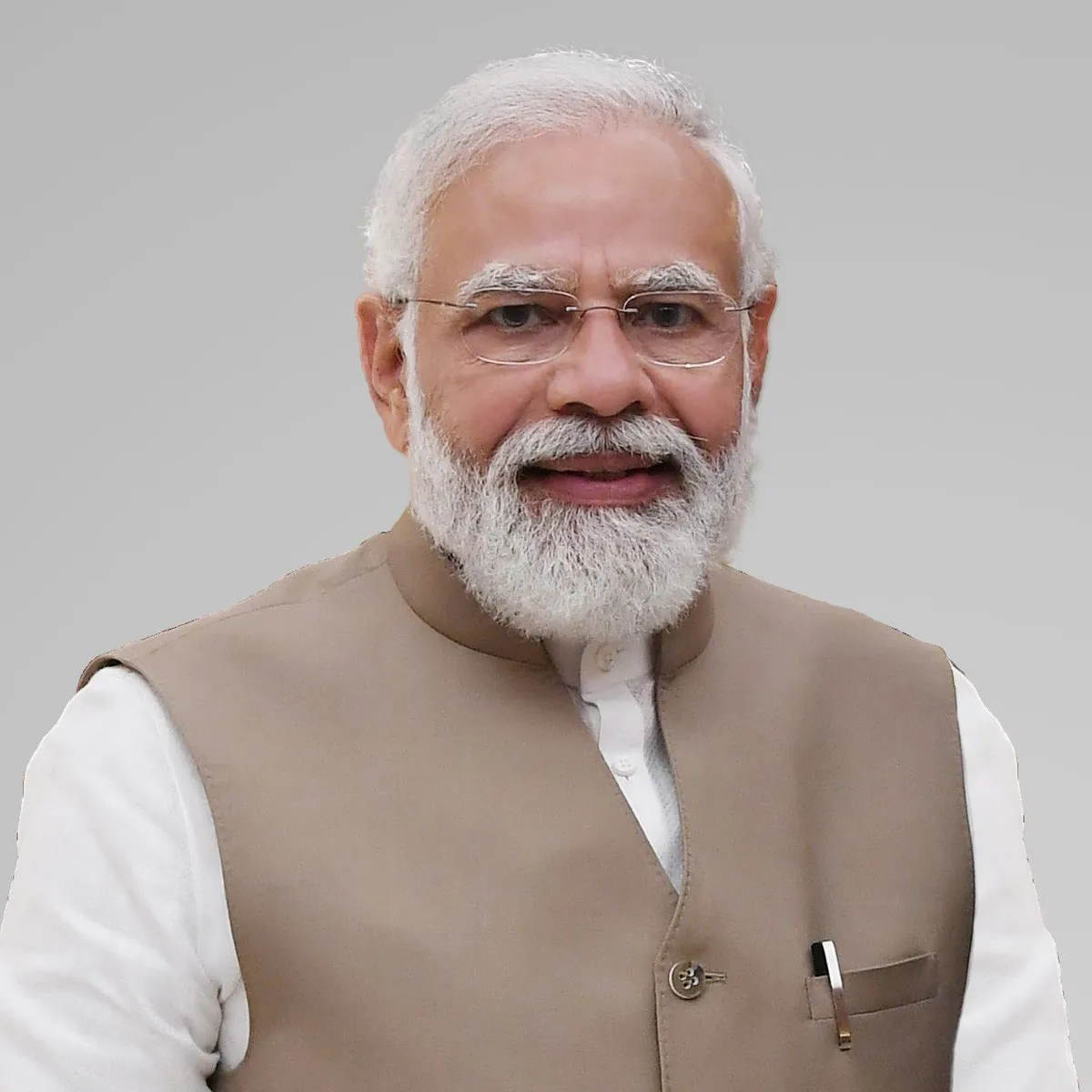
The crisis in West Asia has been unfolding for over three weeks, creating a complex web of challenges for India. As the conflict escalates, Prime Minister Narendra Modi has been at the forefront, engaging with leaders from Gulf countries, Iran, Israel, and the United States. This proactive approach is crucial, especially considering India’s extensive trade relations with the nations involved in the conflict.
As the situation developed, it became apparent that nearly one crore Indians live and work in Gulf countries, making the stakes particularly high for the Indian government. The safety of these citizens has been a primary concern, prompting the establishment of 24/7 control rooms and emergency helplines to assist those in need. Since the onset of the war, more than 3,75,000 Indians have safely returned to India, highlighting the urgency of the situation.
In response to the crisis, PM Modi emphasized the need for a united voice from India’s Parliament, stating, “India’s concerns are naturally greater, and therefore it is essential that a united and unanimous voice goes out to the world from India’s Parliament on this crisis.” This call for unity reflects the broader sentiment among Indian leaders who recognize the multifaceted pressures the conflict imposes on the nation.
Moreover, the Indian government has been closely monitoring global developments to protect consumer and industry interests. Modi has raised the issue of de-escalation and the reopening of the Strait of Hormuz, a critical maritime route for oil shipments. With India possessing a Strategic Petroleum Reserve of over 53 lakh metric tonnes, the government is taking steps to ensure energy security amidst the turmoil.
In recent years, India has diversified its energy import sources, expanding from 27 to 41 countries over the past 11 years. This strategic move has positioned India to better navigate the disruptions caused by the ongoing conflict. Additionally, the country has made significant strides in renewable energy, with solar power capacity surging from approximately 3 gigawatts to 140 gigawatts during the same period.
The humanitarian aspect of the crisis cannot be overlooked. The conflict has created unprecedented economic and national security pressures, prompting the Central Board of Secondary Education (CBSE) to cancel scheduled Class 10th and 12th examinations in Indian schools located in Gulf countries. This decision underscores the impact of the conflict on daily life and education for many Indian families abroad.
As the situation continues to evolve, PM Modi’s leadership remains crucial. He has stated, “The whole world is urging all parties for the earliest possible resolution of this crisis,” reflecting the international community’s desire for peace. Continuous efforts are underway to determine how India can overcome the disruptions that have occurred in the supply chain, ensuring that the country remains resilient in the face of adversity.
In summary, the West Asia conflict is not just a distant issue; it directly affects millions of Indians and the nation’s economy. As Prime Minister Modi navigates this complex landscape, the implications of his decisions will resonate far beyond the immediate crisis, shaping India’s future in the region and beyond.