

Reaction from the field
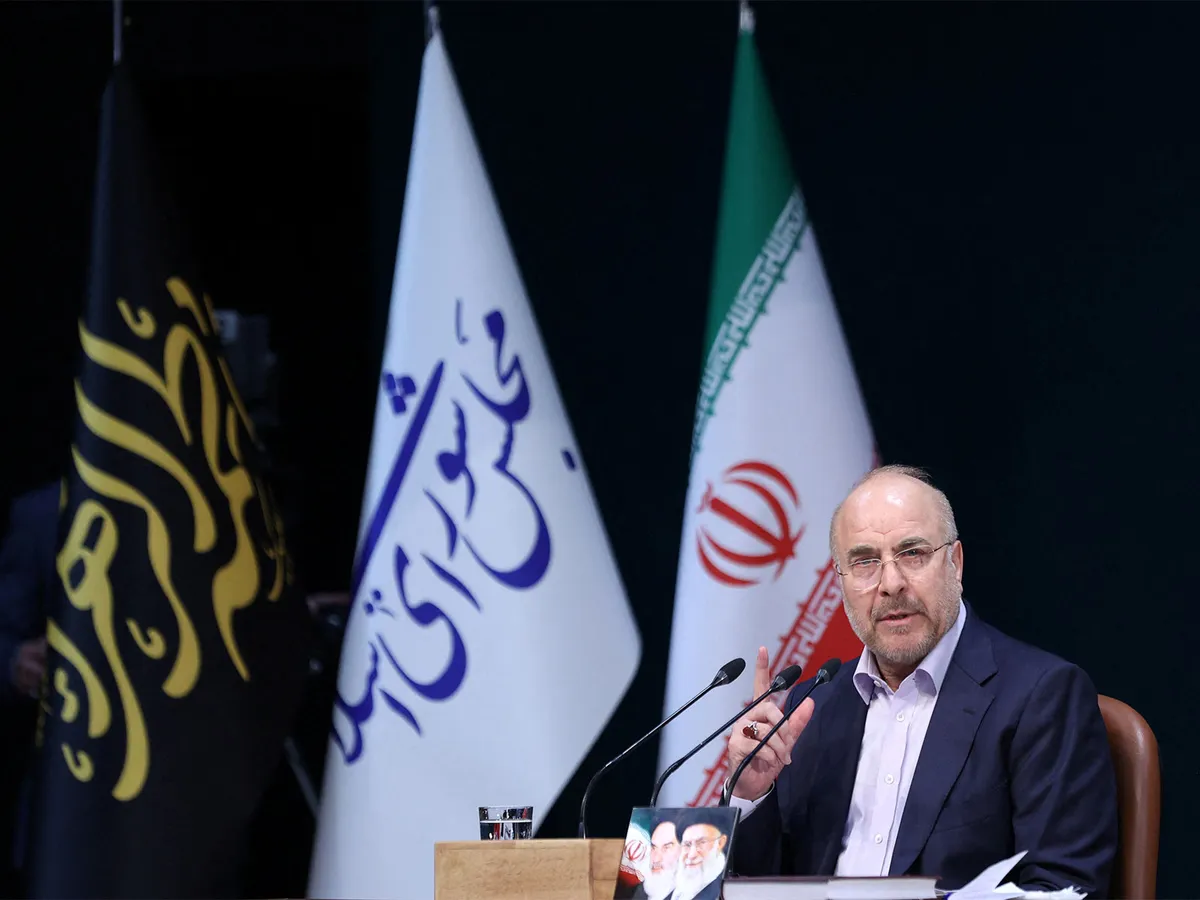
In a significant escalation of rhetoric, Iranian Parliament Speaker Mohammad Bagher Ghalibaf has condemned what he describes as the “enemy’s aggression,” specifically targeting the United States. His remarks come amid heightened tensions in the region, particularly concerning the strategically vital Strait of Hormuz, a critical chokepoint for global oil shipments. Ghalibaf’s warning underscores the stakes involved, as he asserts that any ground invasion by US forces would be met with a “relentless” and “decisive” response from Iranian military forces.
Ghalibaf’s statements reflect a growing concern within Iran regarding US intentions in the region. He accused the US of using diplomatic overtures as a facade for secret invasion plans, suggesting a deep-seated mistrust that has characterized US-Iran relations for decades. This sentiment is echoed by the Iranian military, which Ghalibaf claims is “waiting” for any US soldiers attempting a ground entry into Iranian territory. The implications of such a military confrontation could be dire, not only for Iran and the US but for regional stability as a whole.
Adding to the gravity of the situation, Ghalibaf declared that Tehran would no longer distinguish between US and Israeli actions, indicating a potential shift in Iran’s military strategy. This statement could signal a more aggressive posture from Iran, particularly in light of ongoing tensions with Israel. As Ghalibaf put it, “If they hit one, they’ll take several back,” highlighting Iran’s commitment to retaliate against any perceived threats.
In the broader context, the situation in the Strait of Hormuz is particularly precarious. Historically, this region has been a flashpoint for conflict, and Ghalibaf’s remarks suggest that it will not return to its pre-war status. The strategic importance of this waterway cannot be overstated, as it is crucial for the transportation of oil and gas. Any military engagement in this area could have far-reaching consequences for global energy markets and international relations.
Meanwhile, the political landscape in Iran remains complex, with figures like Nabil Gabol, who recently made headlines by denying any connection to the notorious Dawood Ibrahim, adding another layer of intrigue to the ongoing narrative. Gabol’s claims, including his proximity to Ibrahim’s alleged residence, illustrate the intertwining of domestic politics with international tensions.
On a different front, JICA President Tanaka Akihiko recently met with GEAPP CEO Woochong Um in Tokyo, expressing hopes for future collaboration across various sectors. While this meeting may seem unrelated, it reflects the ongoing global dialogue about energy and cooperation, which contrasts sharply with the aggressive posturing seen in the Middle East.
As the situation unfolds, many uncertainties remain. The potential for miscalculation or misunderstanding between the US and Iran could lead to unintended consequences. Details remain unconfirmed regarding the exact nature of US military plans, and the international community watches closely as both sides navigate this precarious landscape.
In summary, Ghalibaf’s warning serves as a stark reminder of the fragile state of affairs in the region. With both military and diplomatic avenues fraught with tension, the coming weeks may prove critical in determining the trajectory of US-Iran relations and regional stability.