


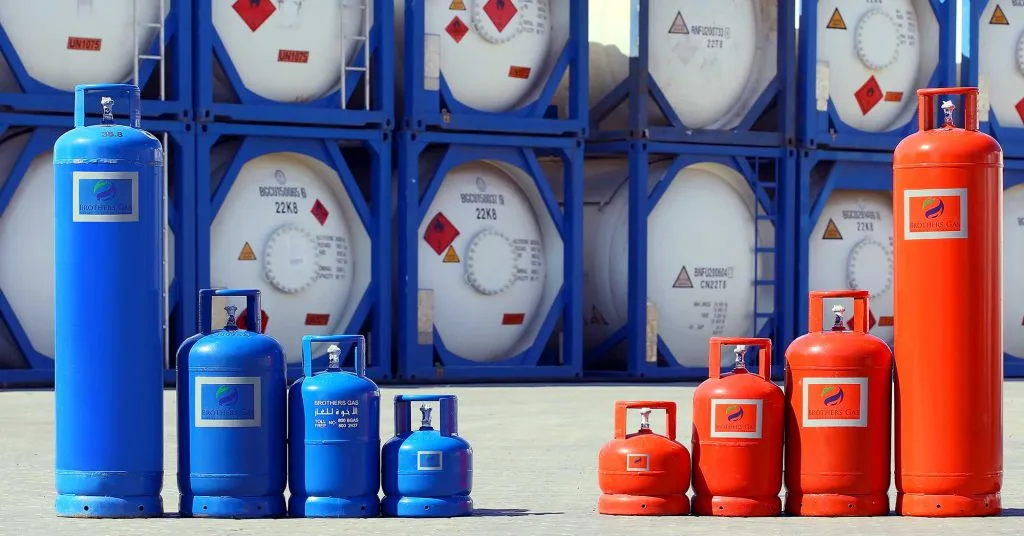
The ongoing geopolitical tensions have created a ripple effect on the supply of LPG gas in India, raising concerns among consumers and industry stakeholders alike. The effective closure of the Strait of Hormuz, a critical passage for energy supplies, has disrupted approximately 54% of the country’s LPG flows. This disruption has led to increased waiting times for consumers, with urban areas now facing a delay of 25 days between cylinder bookings, up from the previous 21 days. In rural areas, this wait has extended to 45 days, highlighting the strain on the supply chain.
India relies heavily on imports to meet around 60% of its LPG needs, with a staggering 90% of these imports passing through the Strait of Hormuz. The geopolitical situation has raised alarms, as the supply of LPG is intricately linked to international relations and stability in the region. Sujata Sharma, a spokesperson for the government, noted, “The supply of LPG is affected due to the prevailing geopolitical situation, but a lot of cargo has been lined up.” This statement reflects the government’s assurance that while challenges exist, efforts are being made to secure alternative supplies.
In response to the crisis, the Indian government has ramped up domestic LPG production by an impressive 40% compared to pre-West Asia conflict levels. This increase aims to mitigate the impact of reduced imports and ensure that households continue to have access to this essential fuel. Despite these efforts, the number of households with PNG (Piped Natural Gas) connections remains significantly lower, with only about 1.5 crore households compared to 33.3 crore domestic LPG connections. This disparity underscores the reliance on LPG for cooking and heating in Indian households.
To alleviate the pressure on LPG supplies, the government has been actively encouraging consumers to switch to PNG where available. This strategy is intended to diversify energy sources and lessen the burden on LPG, which has become increasingly strained due to the current geopolitical climate. The government has also directed refiners to maximize LPG production and to divert propane, butane, and other streams from petrochemical manufacturing to LPG production, further emphasizing the urgency of the situation.
As the situation evolves, it remains crucial for consumers and businesses to stay informed about the availability of LPG gas. The government’s proactive measures, including the provision of around 7,500 domestic and commercial connections for PNG, reflect a commitment to ensuring energy security. However, the reliance on imports and the ongoing geopolitical tensions present a complex challenge that requires continuous monitoring and adaptation.
While the government assures that there is sufficient stock of petrol and diesel, the impact of the LPG supply disruption is felt across various sectors. No dry-out has been reported at LPG distributorships, but the increased waiting times and the shift in consumer behavior towards PNG indicate a significant change in the energy landscape. The ongoing situation serves as a reminder of the interconnectedness of global energy supplies and the importance of domestic production capabilities.
Reaction from the field
Industry experts and consumers alike are watching the developments closely. The effective closure of the Strait of Hormuz has not only impacted LPG but has also affected about 30% of India’s natural gas supplies. As the government continues to appeal to consumers to switch to PNG, the long-term implications of these changes on energy consumption patterns remain uncertain. Details remain unconfirmed regarding the full extent of the impact on future LPG supplies, but the situation is evolving rapidly.