

Key moments
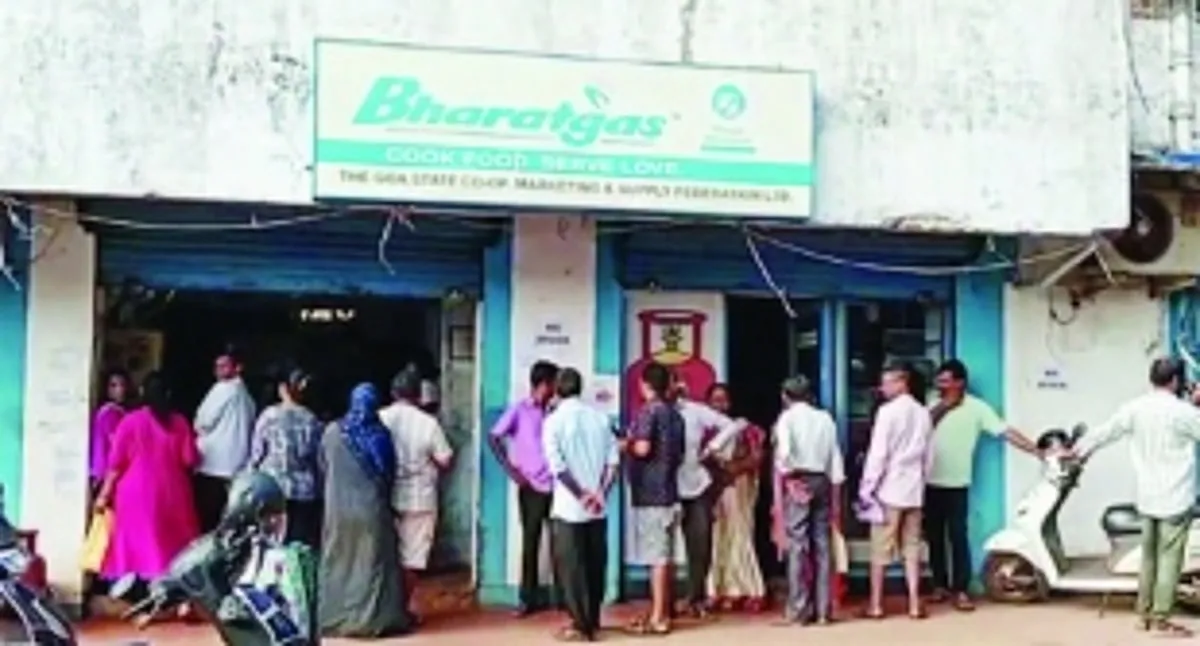
On March 25, 2026, a severe shortage of LPG gas cylinders has led to widespread protests in Delhi, with members of the Aam Aadmi Party (AAP) taking to the streets to voice their frustrations. The situation has escalated as people across the city and the country are forced to stand in long queues, desperately seeking a single gas cylinder to meet their household needs.
The price of LPG cylinders has skyrocketed, with reports indicating that they are now being sold for between ₹5000 to ₹6000 in Delhi. This dramatic increase in cost has left many residents struggling to afford this essential commodity, exacerbating the already challenging living conditions for numerous families.
The crisis is not limited to Delhi; it has also significantly impacted the tourism sector in Meghalaya. With approximately 1.6 million tourist footfalls last year, the region’s hotels and restaurants are now scaling down operations due to a shortage of commercial LPG. Essential services, including hospitals, are being prioritized for available LPG stocks, raising concerns about the overall impact on public health and safety.
Amidst the chaos, AAP leaders have been vocal about their discontent. Atishi, an AAP MLA, stated, “Narendra Modi Ne Kiya Surrender, Gayab Hua Gas Cylinder,” reflecting the party’s criticism of the central government’s handling of the situation. She further added, “Today, across the country, long queues are forming for a single gas cylinder,” highlighting the widespread nature of the crisis.
Another AAP member, Sanjeev Jha, expressed the devastation felt across the country, stating, “There is devastation across the country and people are not getting gas cylinders.” The sentiment resonates with many citizens who are struggling to secure this vital resource.
In an effort to address the ongoing crisis, the government has mandated a transition from LPG to piped natural gas (PNG) in areas where it is available. Households will be given a three-month window to switch to PNG once notified, failing which their LPG supply may be discontinued. This move aims to reduce dependence on imported LPG, especially in light of geopolitical energy crises that have disrupted supplies from the Middle East.
As the situation continues to unfold, the hospitality sector in Meghalaya has warned that prolonged LPG shortages could severely affect tourist experiences, further complicating the region’s recovery from the pandemic. Kuldeep Kumar, another AAP MLA, pointed out the challenges faced by families, saying, “People need to organise ‘bhandara(s)’ and prepare fasting meals at home, but there are no cylinders.” This statement underscores the dire circumstances many are facing as they navigate the ongoing shortages.
Details remain unconfirmed regarding the full extent of the crisis, but the immediate reactions from both citizens and officials indicate a growing urgency to resolve the LPG gas cylinder shortage. As protests continue and the government pushes for a transition to alternative energy sources, the future of gas supply in India remains uncertain.