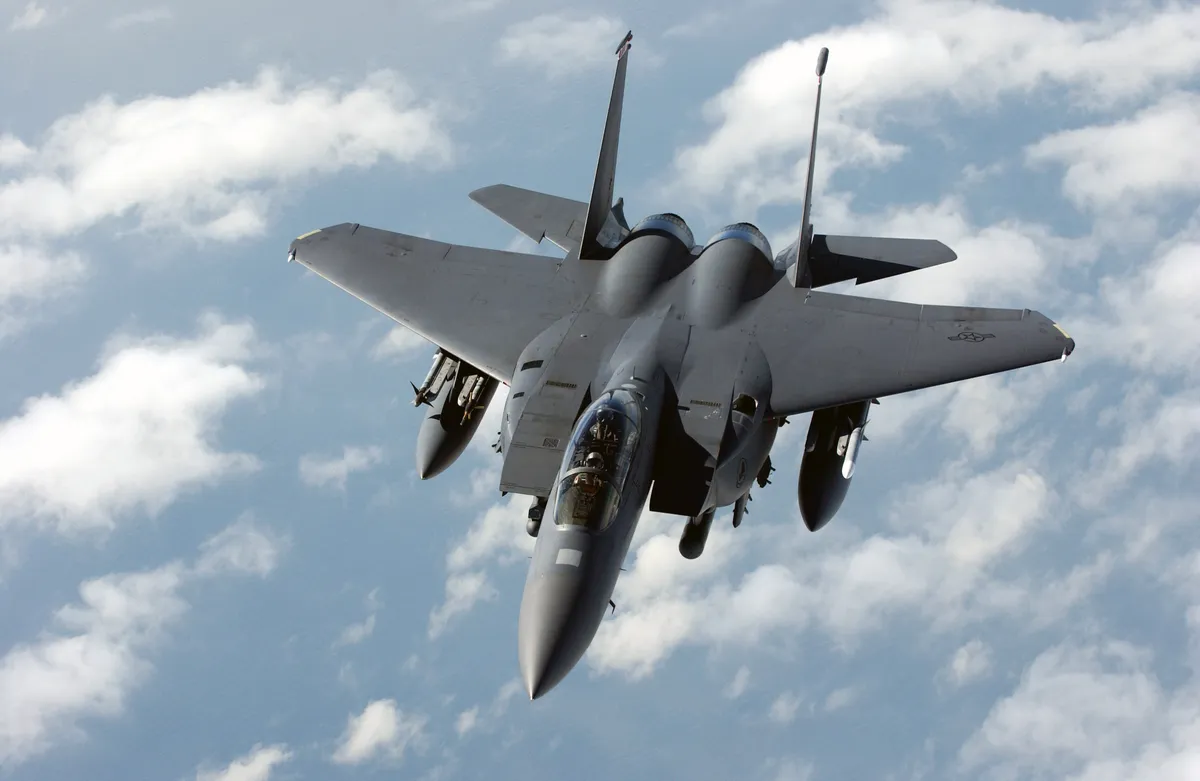





Kuwait has confirmed that its air defenses are actively intercepting hostile missile and drone attacks, a development that underscores the escalating tensions in the region. This situation has prompted immediate responses from both the government and local businesses to ensure the safety and stability of essential services.
In a related incident, a drone attack ignited a fuel tank at Kuwait International Airport, further complicating the security landscape. This attack is reportedly part of Iran’s retaliatory actions against Gulf Arab nations, raising concerns about the broader implications for regional stability.
As a result of the ongoing hostilities, seven overhead power lines have been taken out of service due to debris from intercepted projectiles. This disruption highlights the immediate impact of the conflict on Kuwait’s infrastructure and the daily lives of its citizens.
Amidst these challenges, the Lulu Group has taken proactive measures to ensure the availability of fresh produce. They successfully airlifted 50 tonnes of fresh vegetables from Kochi to Kuwait, utilizing a special flight operated by Kuwait Airways. Notably, this aircraft arrived without passengers, emphasizing the focus on maintaining essential supply chains during this tumultuous time.
Yusuffali M. A., a prominent figure in the Lulu Group, assured the public that there will be no price increase for vegetables in their stores, stating, “There will be no price increase and that sufficient stocks are available across all Lulu stores.” This commitment aims to alleviate concerns among consumers regarding potential shortages or price hikes due to the ongoing conflict.
The backdrop of these events includes a significant death toll in Lebanon, where Israeli strikes have resulted in 1,039 fatalities and 2,876 injuries. Such figures reflect the broader regional conflict, which is affecting countries beyond the immediate frontline states.
As Kuwait navigates these turbulent waters, the government’s response to the missile threats and the efforts by local businesses to stabilize supply chains will be closely monitored. The situation remains fluid, and details continue to emerge as authorities work to ensure the safety and security of the nation.
In summary, Kuwait is facing a complex scenario involving military threats and economic stability, with both the government and private sector stepping up to address the challenges posed by the ongoing regional conflict.