



What observers say
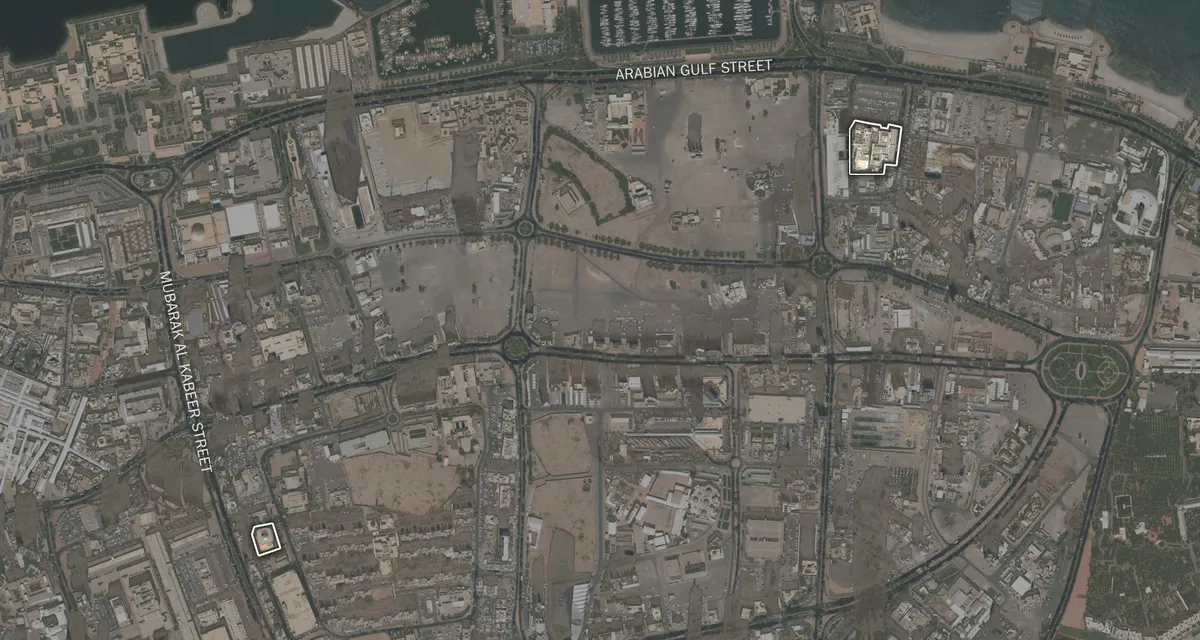
“Iran’s forces are fully prepared, signalling rising confrontation,” stated an Iranian commander following a series of drone strikes that targeted Kuwait today. The attacks, which struck Kuwait’s Mina al-Ahmadi refinery, ignited significant fires at the site, raising alarms about the potential for further escalation in an already volatile region.
Emergency responders quickly mobilized to manage the situation, with firefighters working diligently to control the blazes. Fortunately, no injuries were reported as precautionary measures were taken to protect workers and facilities, according to the Kuwait Petroleum Corporation. This incident comes amidst a backdrop of increasing casualties across the region, with over 1,900 people reported killed in Iran and additional fatalities in Gulf states.
In a simultaneous attack, Kuwait’s electricity generation and water desalination plant was also struck, causing material damage. This assault occurred early on April 3, 2026, and emergency teams were dispatched immediately to mitigate the impact on essential services. Despite these attacks, Kuwait International Airport remains open and operational, providing a semblance of normalcy amid the chaos.
The ramifications of these attacks are already being felt in the global market, with Brent crude prices rising to around $109, marking a 50 percent increase since late February. This surge reflects the growing concerns over stability in the Gulf region, which is critical to global oil supplies.
As tensions escalate, the international community watches closely. The United States and Israel have been involved in airstrikes within Iran, although details remain unconfirmed regarding the specific targets of these operations. Observers fear that these developments could lead to a broader conflict, further destabilizing the region.
In recent weeks, the situation has deteriorated significantly, with 1,340 people killed since February 28 due to ongoing airstrikes. The rising death toll and the aggressive posturing from various factions, including Iranian-backed Hezbollah and Houthi forces, underscore the precarious nature of peace in the area.
As Kuwait grapples with the aftermath of today’s attacks, the broader implications for regional security and international relations remain uncertain. The potential for further confrontations looms large, and the world waits to see how this latest chapter in Middle Eastern tensions will unfold.