

The Israel Iran War has entered its 20th day, marked by escalating attacks on energy infrastructure across the Middle East. Israel has intensified its military campaign, striking Iran’s South Pars gasfield, the world’s largest, while Iran retaliated with missile strikes targeting oil and gas facilities in Qatar, Saudi Arabia, and the United Arab Emirates.
Iran’s Supreme Leader, Mojtaba Khamenei, has vowed that Israel will pay for the assassination of three senior Iranian security officials, further escalating tensions. Notably, Iran’s missiles inflicted heavy damage on Qatar’s Ras Laffan liquefied natural gas facility, a critical energy hub in the region.
In response to these attacks, Saudi Arabia’s Foreign Minister warned that ‘nonpolitical’ options are on the table if Iran continues its aggression. This statement underscores the growing frustration among regional powers regarding Iran’s military actions.
Israeli Prime Minister Benjamin Netanyahu asserted that Israel acted independently in its strike against the Iranian gasfield, emphasizing the nation’s commitment to its security. He stated, “We are winning and Iran is being decimated,” reflecting a confident stance amidst the ongoing conflict.
Meanwhile, the United States has stepped up its involvement, announcing $16 billion in arms sales to the United Arab Emirates and Kuwait, signaling a commitment to bolster regional allies against Iranian threats. This move comes as Iranian missiles targeted Saudi Arabia and the UAE, although those strikes were successfully intercepted.
In a concerning development, Kuwaiti security services thwarted a planned terrorist operation aimed at the country’s critical infrastructure, highlighting the pervasive threat posed by Iran’s military actions. Additionally, Israeli media reported that an oil refinery in Haifa was struck after warnings of incoming missiles from Iran.
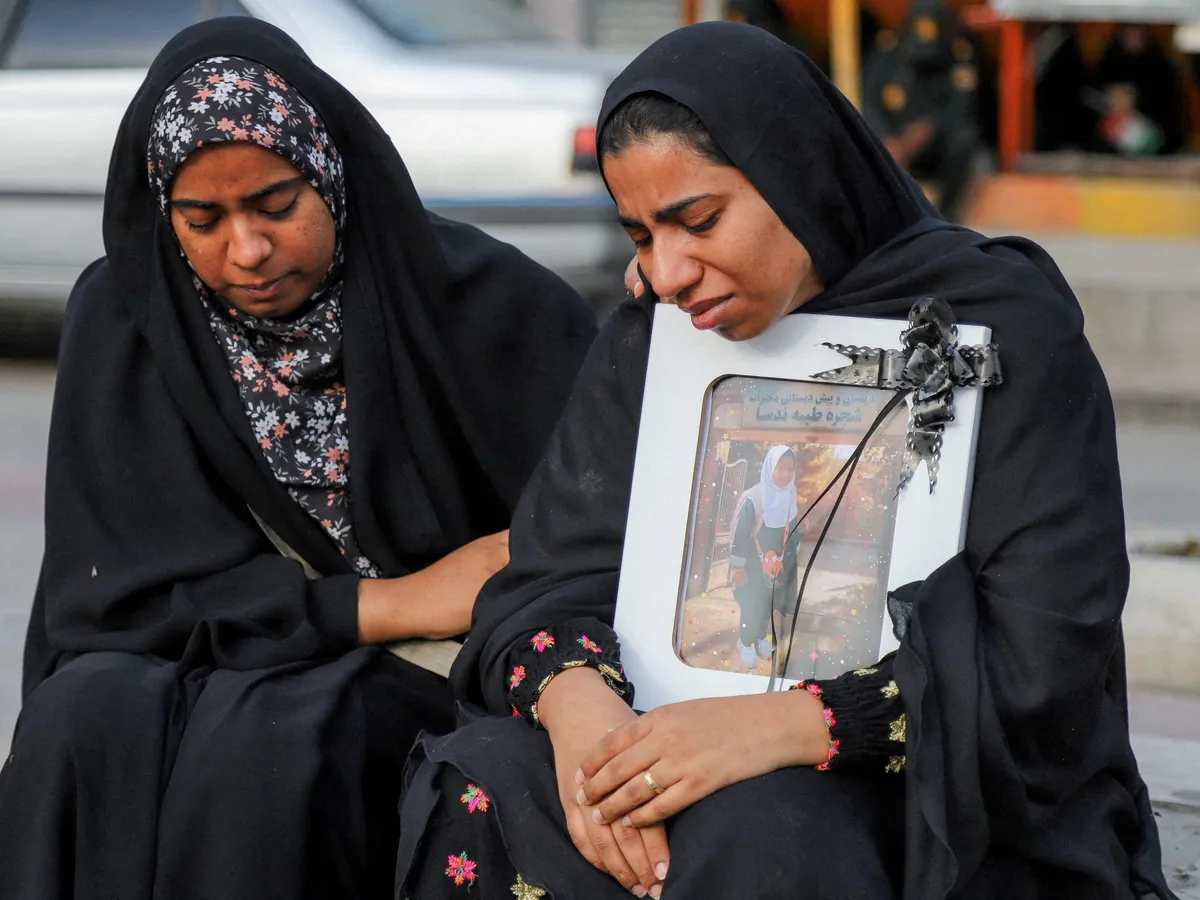
As the conflict continues, over 1,000,000 Lebanese people have been displaced due to Israel’s military assault, illustrating the humanitarian impact of the ongoing war. Bahrain’s air defenses have intercepted 132 missiles and 234 drones, showcasing the intensity of the aerial confrontations.
US President Donald Trump issued a stark warning regarding potential future attacks on Qatar’s energy facilities, stating that the US would “massively blow up the entirety of the South Pars Gas Field” if such actions were repeated.
As the situation evolves, observers remain watchful for further developments, particularly regarding the potential for broader regional involvement and the implications for global energy markets. Details remain unconfirmed regarding the full extent of the damage and the ongoing military strategies of both sides.