



How it unfolded
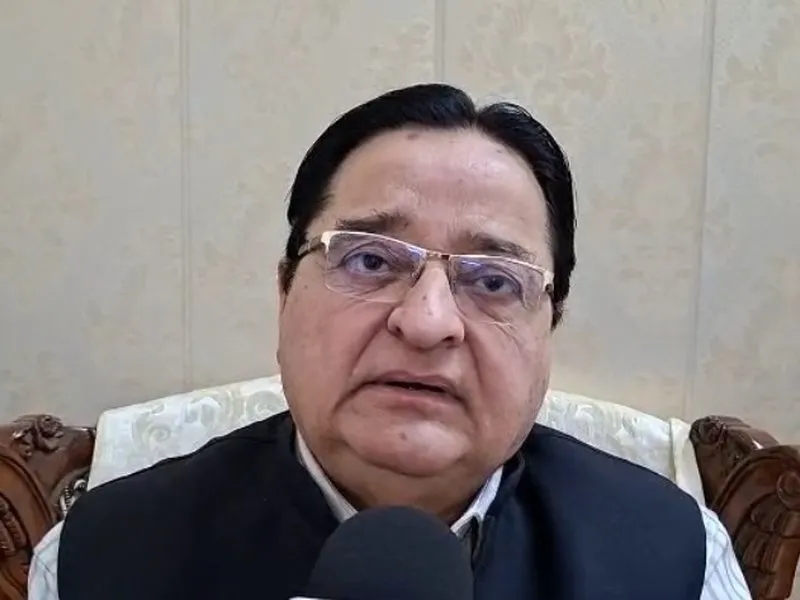
On March 19, 2026, tensions surrounding the Inter-Services Intelligence (ISI) in Pakistan escalated, particularly in Uttar Pradesh. The controversy was ignited by the film ‘Dhurandhar 2’, which controversially linked notorious criminal Atiq Ahmed to the ISI. This connection drew sharp criticism from political figures, including S.T. Hasan, who vehemently opposed the portrayal, asserting that the police are well aware of the true connections between individuals and organizations.
As the backlash grew, Hasan remarked, “Who they were connected to and who they were not, our police know this very well.” His comments reflect a broader concern about the implications of such portrayals in media, especially when they involve sensitive subjects like national security and criminality. The film’s narrative has been seen as a potential tool for spreading misinformation, with Waris Pathan, another political figure, stating, “Efforts are being made to spread hatred in the country.” This sentiment underscores the delicate balance between freedom of expression and the potential for inciting division.
Meanwhile, the ISI itself has come under scrutiny for its operational effectiveness. Field Marshal Asim Munir, a key figure in Pakistan’s military, warned of a likely shake-up within the ISI due to ongoing intelligence failures. His statement, “Perform or perish,” indicates a pressing need for the agency to reassess its strategies, particularly in light of the growing influence of groups like the Tehreek-e-Taliban Pakistan (TTP).
The TTP has been reported to operate a parallel government in Khyber Pakhtunkhwa, raising alarms about the ISI’s ability to manage threats to national security. Criticism has mounted regarding the agency’s failure to provide actionable intelligence on the TTP, which has been linked to a series of violent incidents across the region. The disconnect between the ISI and the army regarding operational strategies has further complicated the situation, leading to questions about the effectiveness of Pakistan’s intelligence apparatus.
In a related development, two men were arrested in Uttar Pradesh for allegedly sharing information with a gang based in Pakistan. The individuals, identified as Azeem Rana and Azad Rajput, have been implicated in activities that could pose a threat to national security. Their arrest highlights the ongoing challenges faced by law enforcement in combating cross-border crime and terrorism.
The current state of affairs reflects a complex interplay of media representation, political criticism, and operational challenges within the ISI. As the agency grapples with its public image and internal effectiveness, the implications of these events resonate beyond Pakistan’s borders, affecting perceptions of its intelligence capabilities.
Details remain unconfirmed regarding the extent of the ISI’s connections to the individuals depicted in ‘Dhurandhar 2’, but the controversy serves as a reminder of the critical role that intelligence agencies play in national security. As the situation continues to evolve, the stakes remain high for all parties involved, with the potential for significant repercussions in both political and security domains.