




What observers say
Is Dhurandhar a real story? The film, particularly its sequel, Dhurandhar 2, draws heavily from actual geopolitical events and conflicts between India and Pakistan, making it a compelling watch for those interested in the intersection of cinema and reality. The narrative is not just a work of fiction; it is steeped in the complexities of real-life figures and incidents that have shaped the region.
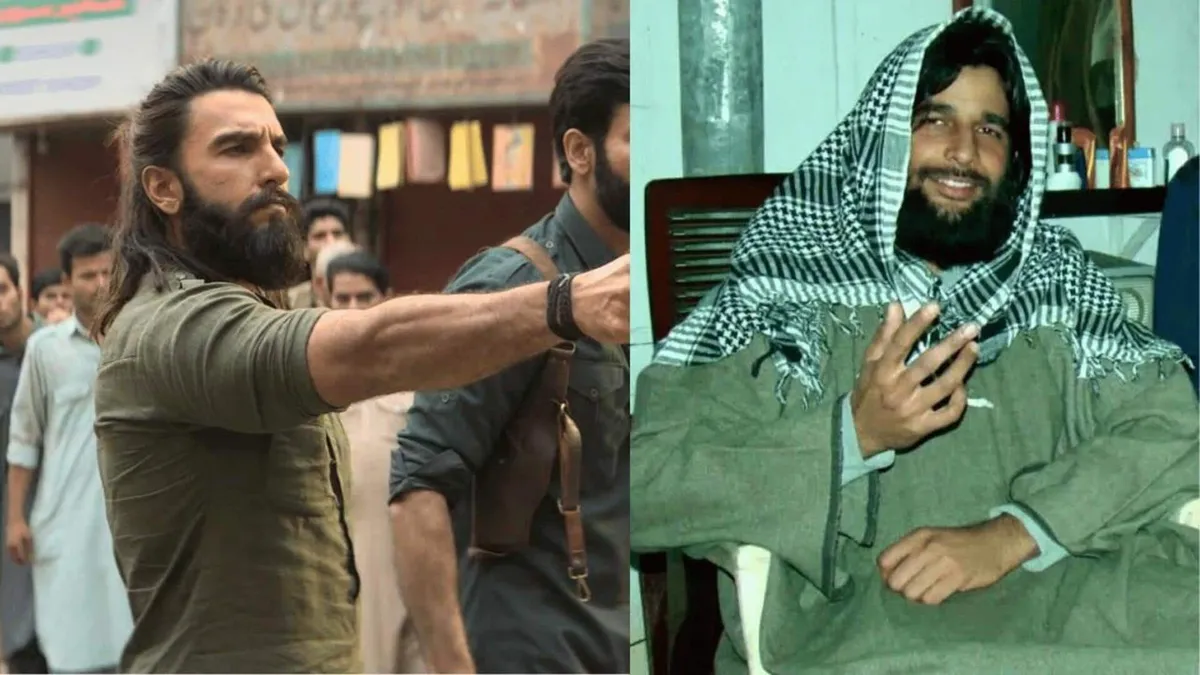
For instance, Major Iqbal, a central character in the film, is based on Ilyas Kashmiri, who was linked to the infamous 26/11 Mumbai attacks. This connection adds a layer of authenticity to the film, as it reflects the ongoing tensions and the shadowy figures that have influenced these events. Similarly, the character of SP Chaudhry Aslam is inspired by a real-life police officer who tragically lost his life in a suicide car bombing, further grounding the film in the harsh realities of its setting.
Moreover, Ajay Sanyal, another pivotal character, is modeled after Ajit Doval, the National Security Advisor of India. This portrayal underscores the strategic maneuvers and high-stakes decisions that are often at play in the backdrop of such conflicts. The film also features Jameel Jamali, based on Nabil Gabol, a former member of the National Assembly, highlighting the political dimensions that intertwine with the narrative.
In addition to these characters, the film references real-life gangsters like Uzair Baloch and Dawood Ibrahim, known figures in the criminal underworld. The inclusion of these characters not only adds drama but also reflects the real dangers and moral ambiguities present in the region. The deaths of various characters in the film, such as Azam Cheema and Sajid Mir, are based on actual events, further blurring the lines between fiction and reality.
Interestingly, the plot of Dhurandhar 2 also connects to significant events like the 2016 Indian banknote demonetization, which serves as a backdrop for Hamza’s mission in the film. This element ties the narrative to contemporary issues, making it relevant to current audiences while still rooted in the historical context of the region.
As for the first installment, Dhurandhar 1, it draws inspiration from the 1999 Kandahar Hijack, a significant event that captured international attention and highlighted the complexities of terrorism and diplomacy in South Asia. The film’s ability to weave these historical threads into its narrative showcases the filmmakers’ intent to create a story that resonates with the audience on multiple levels.
While the film is undeniably a work of fiction, the characters and events it portrays are deeply intertwined with real-life incidents and figures. Observers note that this blend of fact and fiction invites viewers to reflect on the broader implications of these stories, particularly in a region marked by conflict and complexity. As the film continues to gain traction, audiences are left to ponder the extent to which these narratives mirror reality.
Details remain unconfirmed, but the film’s portrayal of these events and characters raises important questions about the nature of storytelling in the context of real-world issues. As viewers engage with Dhurandhar, they are not just consuming entertainment; they are also grappling with the realities that inspired its creation.