

The wider picture
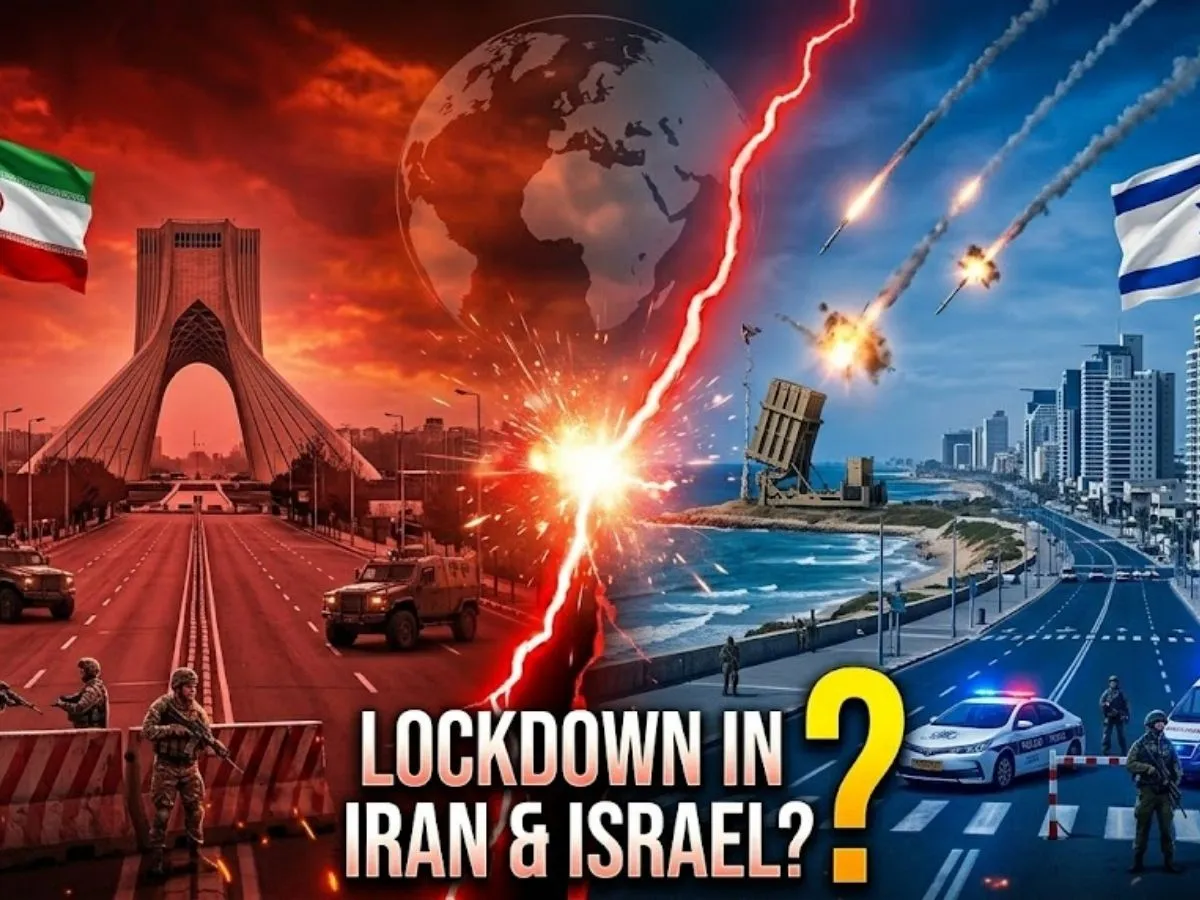
The Iran-Israel war, which escalated dramatically after the US and Israel launched assaults against Iran on February 28, resulting in the death of Ayatollah Ali Khamenei, has plunged both nations into a state of severe disruption. As military operations continue, the situation has evolved into what can only be described as a ‘de facto’ lockdown, affecting daily life and international relations.
In Israel, while there is no formal nationwide lockdown, the government has implemented stringent guidelines that effectively create a partial lockdown in many areas. Public gatherings are limited to a maximum of 50 people, and the state of high military alert has left citizens feeling the weight of uncertainty. Meanwhile, Iran faces a much graver situation, as massive waves of airstrikes have rendered the country largely inaccessible for standard activities, with infrastructure and military facilities being targeted relentlessly.
The ramifications of this conflict extend beyond the immediate borders of Iran and Israel. The Strait of Hormuz, a critical maritime route through which 20% of the world’s oil passes, is currently under a blockade, leading to a staggering 97% drop in traffic. This disruption has triggered a global oil supply shock, with Brent crude prices soaring to between $100 and $120 per barrel. The International Energy Agency has described this situation as the largest supply disruption in the history of the global oil market.
As the conflict rages on, the human toll continues to rise. Reports indicate that between 1,900 and 3,000 people have been killed in Iran, while at least 15 to 17 deaths have been reported in Israel since the onset of hostilities. Additionally, the involvement of Hezbollah has further complicated the landscape, with around 1,000 reported deaths in Lebanon since the group entered the fray.
Travel and airspace restrictions have also compounded the crisis, grounding millions of passengers and stranding travelers across the Middle East. The airspace is heavily restricted or closed, leaving many unable to return home or reach their destinations. In India, panic arose from rumors of a potential lockdown, but the government has since confirmed that no such measures are planned, highlighting the widespread anxiety surrounding the conflict.
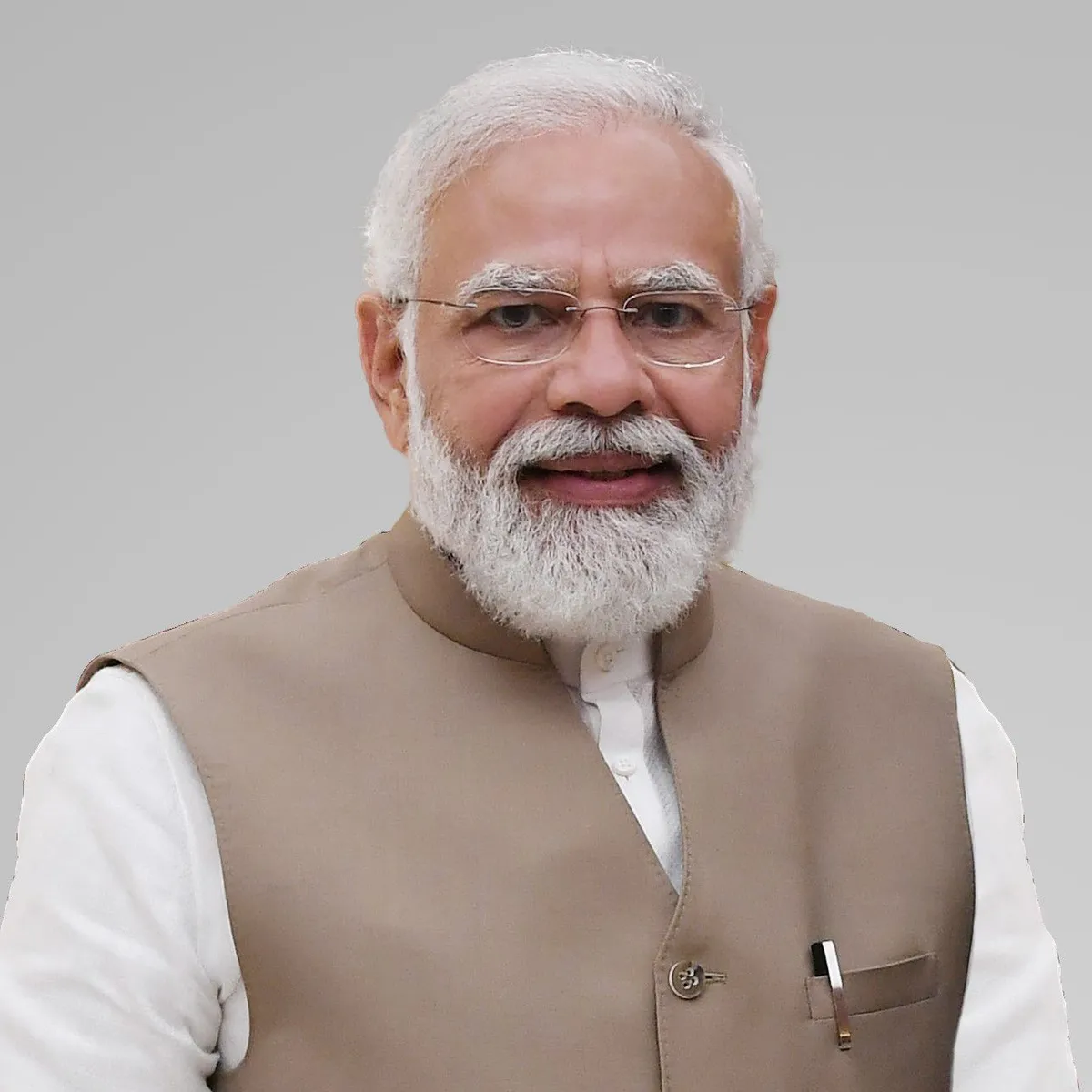
Key figures are weighing in on the situation. Russian President Vladimir Putin remarked on the unpredictable consequences of the conflict, suggesting that they could be compared to the coronavirus epidemic in terms of their global impact. Indian Prime Minister Narendra Modi emphasized the need for readiness in the face of unforeseen challenges, particularly regarding the supply of essential goods like petroleum products and fertilizers.
As the situation remains fluid, with ongoing military operations and diplomatic attempts for a ceasefire, details remain unconfirmed. Observers are left to ponder the long-term implications of this conflict, both for the nations directly involved and for the global community at large. The stakes are high, and the path forward is uncertain, as the world watches closely to see how this crisis will unfold.