



Key moments
In a remarkable stride towards enhancing national connectivity, Indian Railways has announced that it operates nearly 25,000 trains daily. This development, highlighted by Railways Minister Ashwini Vaishnaw, underscores the commitment of Indian Railways to revolutionize transportation across the country.
The immediate impact of this transformation is evident in the freight sector, where Indian Railways achieved an impressive 1,670 million tonnes of loading in the fiscal year 2025-26. This milestone not only reflects the efficiency of the rail network but also its critical role in supporting the economy by facilitating the movement of goods across vast distances.
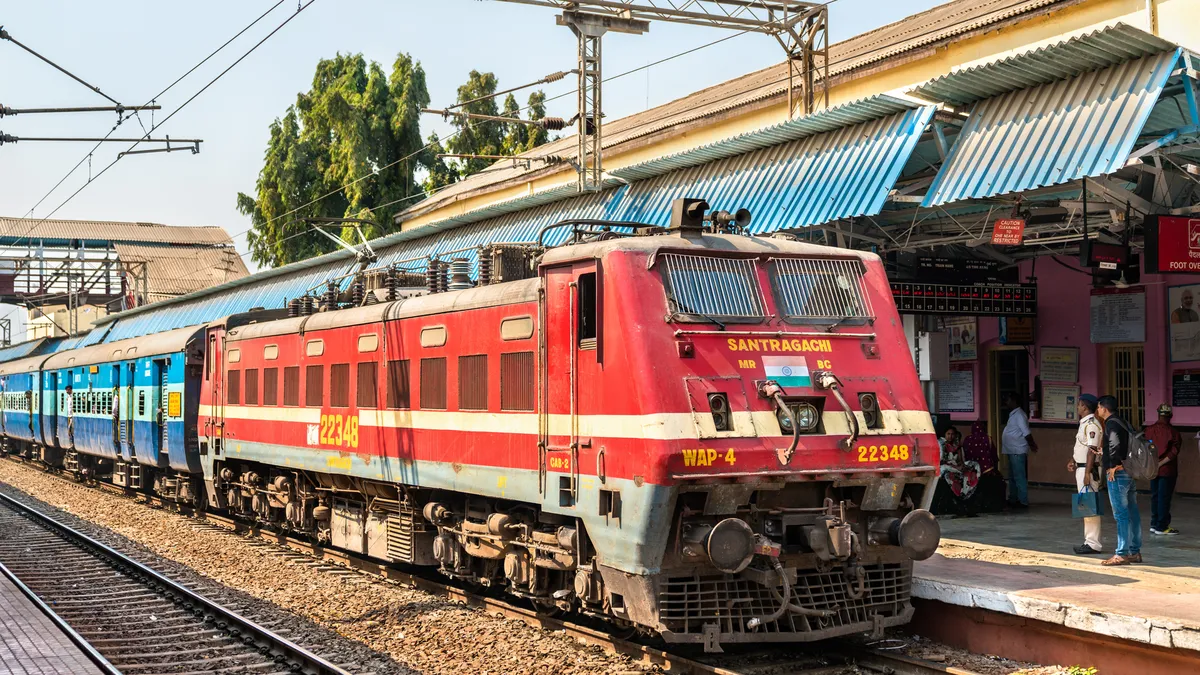
As part of its modernization efforts, Indian Railways has produced over 1,500 locomotives and more than 6,600 LHB coaches. These advancements are vital for maintaining the quality and safety of rail travel, ensuring that passengers experience a reliable and comfortable journey.
In addition to enhancing passenger services, Indian Railways has also prioritized safety through technological innovations. The recent commissioning of the Kavach Automatic Train Protection System over 3,000 route kilometres is a significant step towards minimizing accidents and improving operational efficiency.
Looking ahead, Indian Railways is investing in communication infrastructure to support its growing operations. A recent approval for a ₹398.36 crore optical fibre project aims to lay high-capacity fibre optic cables along 1,929 route kilometres across Gujarat and Madhya Pradesh. This initiative is part of a larger national plan, which allocates ₹27,693 crore for developing a robust railway communication backbone.
These developments are not just about numbers; they signify a broader vision for Indian Railways to become a world-class transportation network. The focus on connectivity, safety, and technology positions Indian Railways as a pivotal player in the nation’s infrastructure landscape.
As these initiatives unfold, reactions from various stakeholders have been positive. The commitment to modernize and expand the rail network is expected to yield long-term benefits for both passengers and freight services, ultimately contributing to the economic growth of the country.