


What do the latest education results in India reveal about the state of learning in 2026? The recent outcomes indicate a mix of remarkable achievements and ongoing challenges across various states, particularly Bihar, Rajasthan, and Madhya Pradesh.
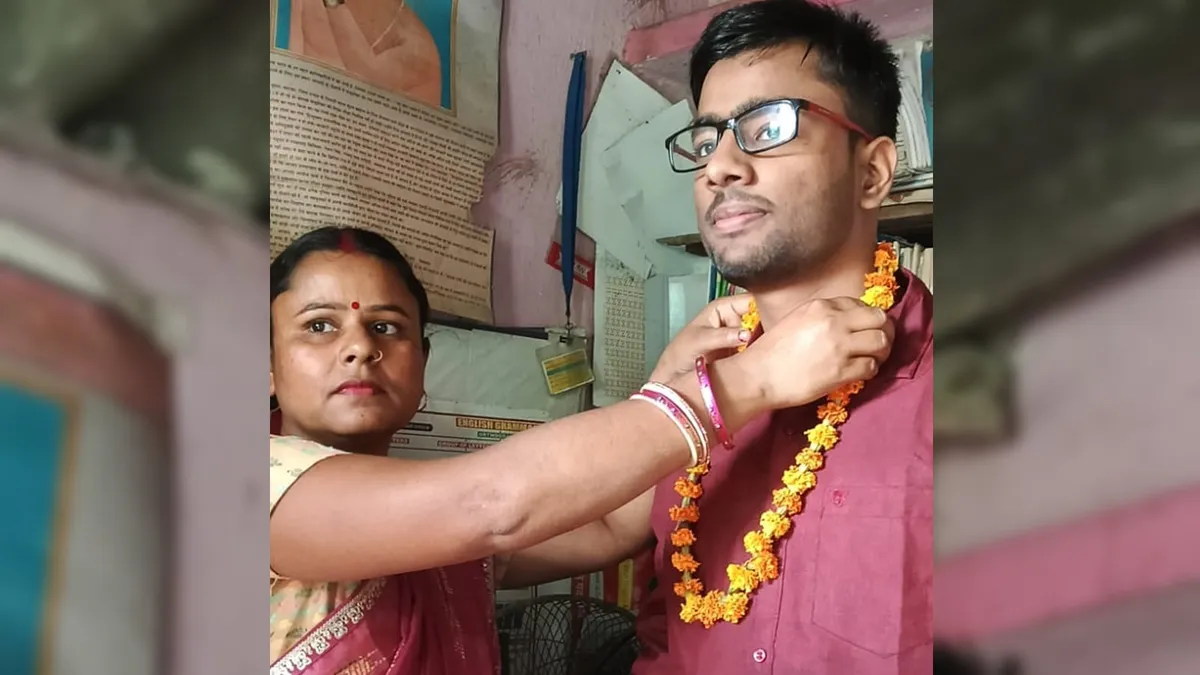
In Bihar, Aditya Prakash Aman emerged as the state topper in the Science stream, scoring an impressive 96.2%. This year, 17 districts in Bihar were represented in the top 100 rankholders, a notable improvement compared to previous years when only six of the state’s 38 districts made the list.
Meanwhile, the Rajasthan Board of Secondary Education (RBSE) declared the results for Class 5 and 8 on March 24, 2026. To pass these grades, students must secure at least 33% marks. Last year, the overall pass percentage for RBSE Class 8 was 96.66%, while Class 5 saw a pass percentage of 97.47%.
In Madhya Pradesh, approximately 17 lakh students appeared for the Class 9 and 11 exams. Similar to Rajasthan, students in Madhya Pradesh must also achieve a minimum of 33% marks in every subject to pass Class 11.
The performance of students in these states reflects ongoing efforts to improve educational standards. However, the challenges remain significant, especially in ensuring that all students meet the minimum passing criteria.
Looking back, the representation of districts in Bihar’s top ranks has markedly improved since 2016-2018, when only a handful of districts were noted for their academic excellence. This shift highlights the increasing focus on education in the region.
As the education landscape continues to evolve, the results from 2026 serve as a critical indicator of progress and areas needing attention. The commitment to enhancing educational outcomes remains a priority for state governments and educational boards alike.
Details remain unconfirmed regarding the overall implications of these results on future educational policies and initiatives. Stakeholders will be keenly observing how these outcomes influence the direction of educational reforms in the coming years.