



Who is involved
The landscape of public health and safety in India has undergone significant shifts since the nationwide lockdown was announced on March 24, 2020, in response to the Covid-19 pandemic. Initially, the lockdown was a necessary measure to curb the spread of the virus, with the government implementing strict restrictions that affected millions. As the country emerged from the pandemic, expectations of future lockdowns lingered in the public consciousness, fueled by memories of the drastic measures taken in 2020.
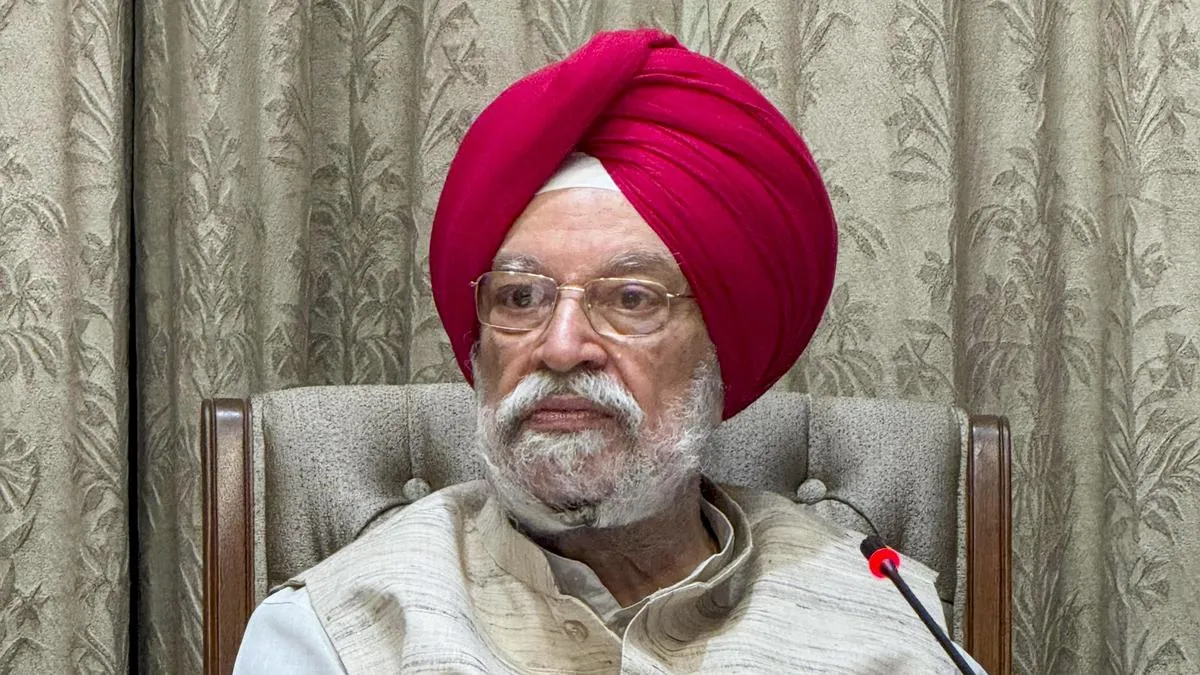
Recently, however, the narrative has taken a decisive turn. Union Minister Hardeep Singh Puri and Finance Minister Nirmala Sitharaman have both publicly stated that there is no proposal for a lockdown in India. Sitharaman emphasized, “There shall not be any lockdown,” directly addressing the fears that have resurfaced amidst rising global tensions and supply chain concerns. This reassurance comes as a relief to many who remember the hardships endured during the previous lockdown.
The immediate effects of these statements have been palpable. Rumors of a potential lockdown were quickly dismissed as baseless by government officials, leading to a sense of stability among citizens and businesses alike. The spike in online searches for “lockdown in India” indicates that the public remains sensitive to the possibility of renewed restrictions, but the government’s firm stance has helped to quell anxieties. As of February 2, 2026, India reports only seven active Covid-19 infections, further supporting the notion that the situation is under control.
Experts have weighed in on the implications of these developments. Prime Minister Modi has warned of serious consequences if global disruptions persist due to ongoing conflicts, particularly in West Asia, which has raised concerns about energy supplies and supply chains. The Strait of Hormuz, a critical route for nearly 20% of the world’s oil and gas supplies, remains a focal point of concern. In light of these global uncertainties, the government is taking proactive measures to ensure uninterrupted availability of fuel and energy supplies, demonstrating a commitment to maintaining stability.
As the government monitors developments across energy, supply chains, and essential commodities, it is clear that India has been building resilience in the face of global challenges. Modi stated, “India is therefore accelerating all the resilience-building measures that have been undertaken over the past years,” highlighting the importance of preparedness in navigating future uncertainties.
The contrast between the past and present is stark. While the 2020 lockdown was a response to an immediate health crisis, the current situation reflects a more measured approach, with the government actively engaging with the public to dispel fears and provide clarity. The commitment to avoiding a return to such drastic measures is evident in the government’s communications, which aim to foster confidence among citizens.
In summary, the landscape surrounding the potential for a lockdown in India has shifted dramatically. With government officials firmly denying any plans for a return to strict measures, the focus now lies on ensuring stability and resilience in the face of external pressures. As the country navigates these complexities, the lessons learned from the past will undoubtedly inform its approach to future challenges.