

How it unfolded
As the sun set on Kochi, India, anticipation was high for the international football match between India and Hong Kong scheduled for March 31, 2026. However, just before the match, a series of unexpected events unfolded that would overshadow the excitement. The Indian National Football Team, led by head coach Khalid Jamil, faced a significant setback when they were denied entry to the Jawaharlal Nehru Stadium.
The situation escalated when it was revealed that the press meet for the match had been cancelled due to rent-related issues with the Greater Cochin Development Authority (GCDA). The GCDA demanded an exorbitant sum of Rs 3 lakh plus taxes as rent, along with a staggering Rs 25 lakh as a security deposit. This financial hurdle raised questions about the viability of hosting international matches in Kochi, a city that had not seen the Indian National Football Team play for a decade.
In the midst of this turmoil, KFA President Navas Meeran addressed the situation, stating, “It was a technical issue, which will soon be sorted.” Despite these reassurances, the financial demands from the GCDA seemed to reflect a troubling trend in which monetary concerns overshadowed the sport itself. As Meeran pointed out, the stadium was rented out for a sum of three lakh rupees, but the additional security deposit created a barrier that was difficult to overcome.
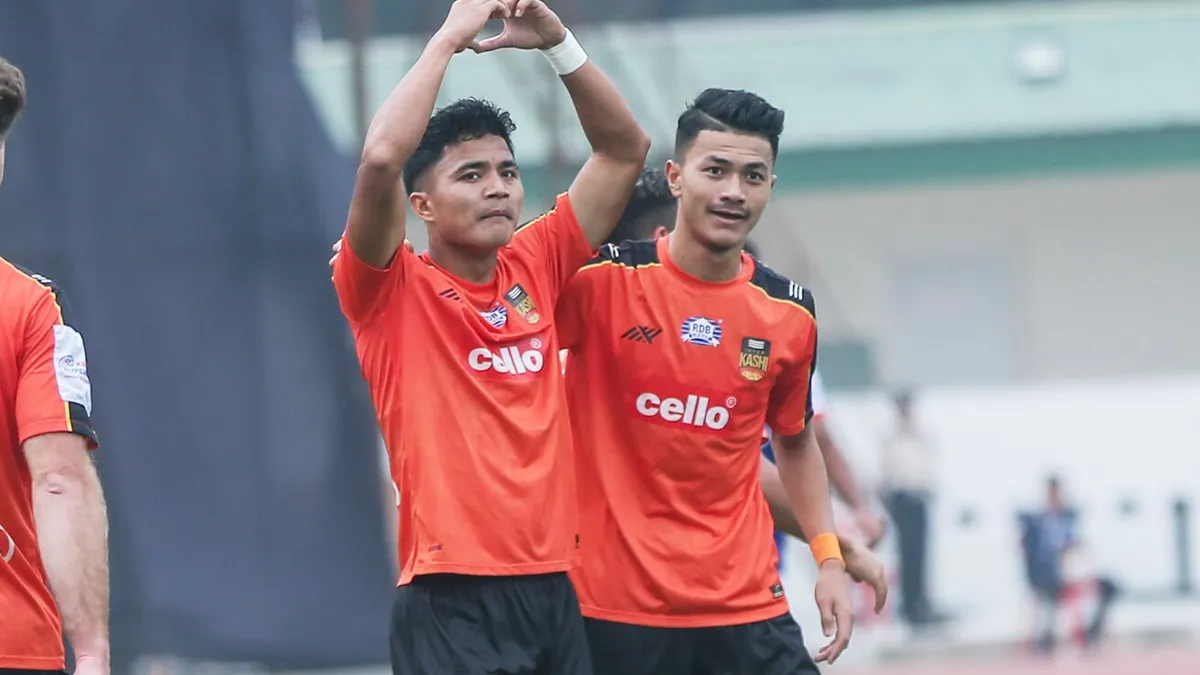
Meanwhile, preparations for the match continued, albeit under a cloud of uncertainty. Nepal-born defender Abneet Bharti joined the Indian senior men’s team camp ahead of the AFC Asian Cup qualifier against Hong Kong. Alongside him, Ryan Williams was also named in the squad, both players eager to contribute to their team’s efforts despite the logistical challenges. However, the Indian team was already out of contention for the 2027 AFC Asian Cup in Saudi Arabia, which added a layer of complexity to their motivations for this match.
The backdrop of this match is significant, as Kerala has not hosted the Indian National Football Team for ten years prior to this encounter. The local fans were eager to witness their team play on home soil again, but the hurdles presented by the GCDA have raised concerns about the future of football in the region. The ongoing “money first, football second” policy of the GCDA has only served to complicate matters further, as the Indian National Football Team struggles to secure a venue for international matches.
As the match day approached, the atmosphere was charged with anticipation, yet tinged with frustration. The players and coaching staff were left to navigate these challenges, hoping for a resolution that would allow them to take the field. The stakes were high, not just for the players but for the future of football in Kochi and beyond. The ability to host such matches is crucial for the development of the sport in India, and the current situation raises questions about the support available for teams and events.
As it stands, the future of Hong Kong football in this context remains uncertain. The logistical and financial challenges faced by the Indian National Football Team serve as a reminder of the complexities involved in international sports. While the players are focused on the game, the broader implications of these events cannot be overlooked. The need for a supportive infrastructure and a commitment to prioritizing the sport is more pressing than ever.
Details remain unconfirmed regarding the resolution of the issues that have plagued this match. As fans await the outcome, the hope is that the spirit of football will prevail, allowing teams to compete without the burden of financial constraints overshadowing their passion for the game.