



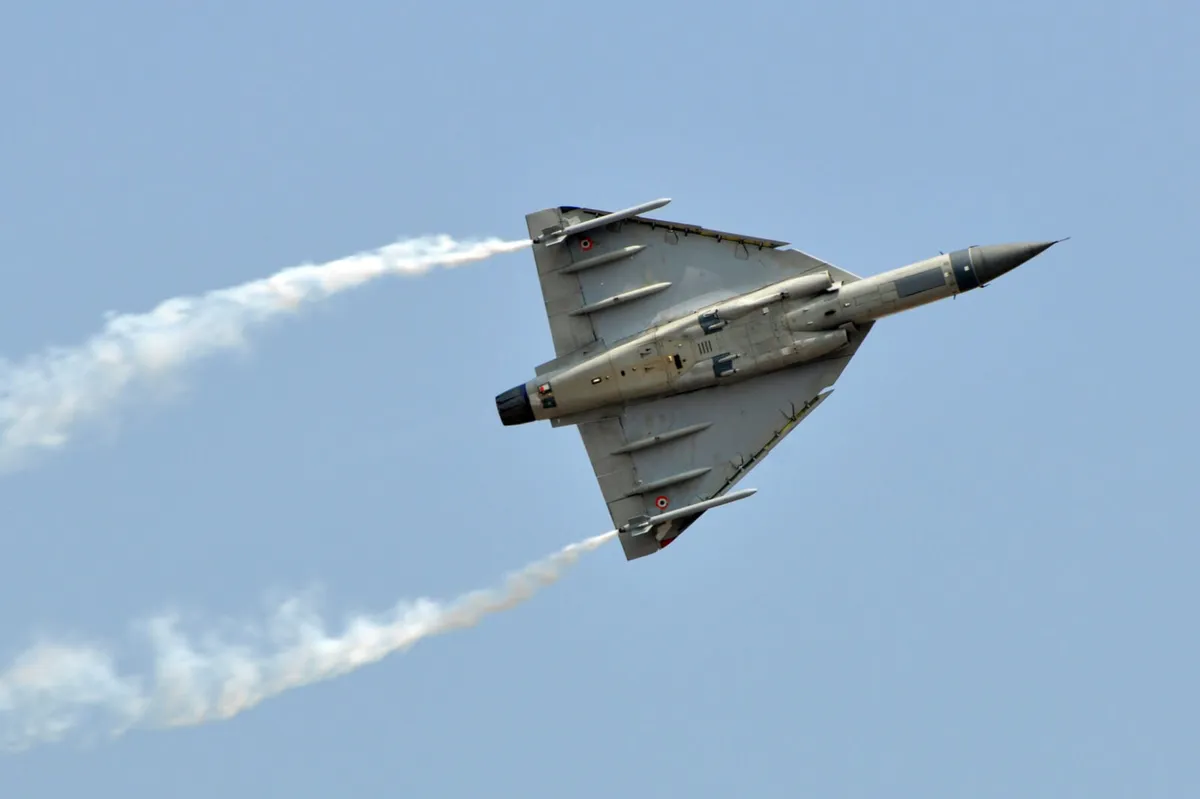
In February 2026, the HAL Tejas fleet faced a significant setback when it was grounded following a landing mishap. This incident raised concerns about the operational readiness of the Tejas Light Combat Aircraft, which has been a cornerstone of India’s indigenous defense efforts.
Fast forward to April 8, 2026, HAL chairman DK Sunil announced that all Tejas jets are set to fly again, marking a pivotal moment for the program. “All the Tejas jets are set to fly again from next Wednesday,” Sunil stated, bringing a sense of relief to the Indian Air Force (IAF) and the defense community.
However, the journey to this point has not been without its challenges. HAL has imposed penalties on GE Aerospace for delays in engine deliveries for the Tejas Mk-1A variant. As of now, GE Aerospace has supplied only six out of the 99 F404 engines contracted, with the first engine delivered in March 2025.
Despite these setbacks, HAL expects another engine delivery by the end of April 2026, which is crucial for the Tejas Mk-1A program. This program aims to deliver over 20 aircraft by December 2026, a timeline that many hope will be met without further delays.
The IAF currently operates 32 to 34 HAL Tejas Mk1 fighter jets across two operational squadrons. India has ordered a total of 180 Tejas Mk1A variants to replace the aging MiG-21s, underlining the importance of this aircraft in the nation’s defense strategy.
Historically, the Tejas program has faced organizational and support challenges over the decades, leading to longer timelines and higher costs than initially anticipated. The indigenous Kaveri engine was delinked from the Tejas airframe back in 2008 due to its failure to deliver the required thrust, further complicating the program’s trajectory.
Despite the hurdles, the Tejas is compatible with modern missiles, laser-guided bombs, and helmet-mounted displays, showcasing its potential as a modern fighter jet. Philip Rajkumar, an expert in the field, emphasized, “The jet engine is one of the most complex pieces of machinery that you can ever think of,” highlighting the intricacies involved in developing such advanced technology.
As the Tejas fleet prepares to resume operations, the implications are significant for those involved. The successful return to flight could bolster India’s defense capabilities and restore confidence in its indigenous military aviation program.
In the broader context, experts like Sandeep Unnithan have pointed out that while India invested modestly in the Tejas program, nations like China have made substantial investments in their military aviation sectors. This comparison raises questions about the future trajectory of India’s defense initiatives.
As the situation develops, all eyes will be on HAL and the IAF to see how they navigate these challenges and capitalize on the opportunities ahead. Details remain unconfirmed regarding the exact timeline for the full operational capability of the Tejas Mk-1A, but the upcoming flights are a hopeful sign for the future of India’s air power.