



Who is involved
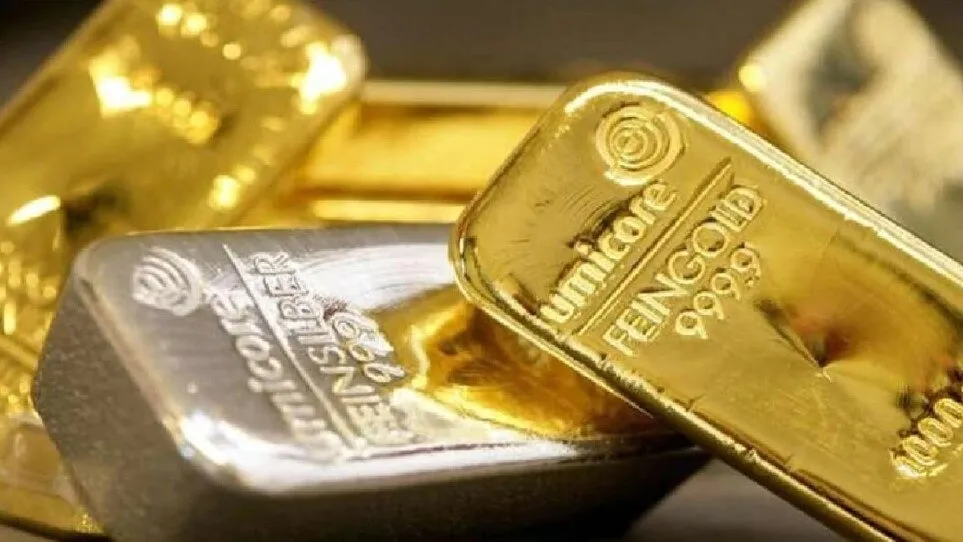
In recent weeks, gold prices on the Multi Commodity Exchange (MCX) in India have faced a dramatic downturn, a stark contrast to the prior expectations of stability in precious metals. Just a month ago, analysts were cautiously optimistic about gold’s performance, anticipating a steady demand driven by global uncertainties and inflationary pressures. However, the landscape has shifted significantly, leaving investors and traders grappling with unexpected losses.
On March 23, 2026, the MCX gold rate opened a staggering 3% lower at ₹1,40,158 per 10 grams. This initial drop set the tone for a day of volatility, as the price plummeted further, hitting a low of ₹1,33,352—an alarming decline of ₹11,140, or 7.70%. Such a drastic fall in value is not just a number; it reflects a broader sentiment of fear and uncertainty in the market.
The immediate effects of this decline were felt across the board. By 11:15 AM, MCX gold was trading at ₹1,33,596, down ₹10,896, or 7.54%. Similarly, the silver market mirrored this trend, with MCX silver prices opening 4% lower at ₹2,17,702 per kg and crashing as much as 11.31% to ₹2,01,111 per kg, reflecting a ₹25,661 decline. This sharp downturn in precious metals has raised eyebrows and prompted many to reassess their investment strategies.
Experts have weighed in on the situation, providing context to this sudden shift. Jigar Trivedi noted that the MCX gold price might find support at ₹1,33,000 to ₹1,30,000 levels, while resistance is seen at ₹1,40,000 to ₹1,44,000. Meanwhile, Ajay Kedia emphasized the negative trend for gold prices, advising investors to consider selling on any rise from current levels. The consensus among analysts is clear: the market is not in a favorable position for gold.
Underlying these price movements are significant global factors. The sharp decline in gold prices has been closely linked to escalating geopolitical tensions, particularly the ongoing conflict involving the United States and Iran. As these tensions rise, so do the prices of crude oil, which in turn increase production and transportation costs globally, feeding into broader inflation. This complex interplay of factors has created a challenging environment for gold and silver alike.
Moreover, expectations of interest rate hikes by major central banks have further exacerbated the situation. The probability of a rate hike at the upcoming Federal Reserve meeting in June 2026 has risen to approximately 22%, a significant increase that has rattled investors. Higher interest rates typically strengthen the dollar, making gold less attractive as an investment, thus contributing to the recent price declines.
As March progresses, the statistics tell a sobering story: MCX gold has fallen approximately 15% this month alone, while MCX silver has dropped an astounding 25%. These figures highlight a broader trend of correction in precious metals, which have witnessed significant volatility throughout the month. Investors are left to ponder the implications of these shifts, as the market dynamics continue to evolve.
In summary, the recent plunge in gold MCX prices serves as a reminder of the volatile nature of the commodities market. As geopolitical tensions rise and economic indicators shift, the landscape for precious metals remains uncertain. Details remain unconfirmed, but the current trajectory suggests that investors should remain vigilant and adaptable in the face of these challenges.