



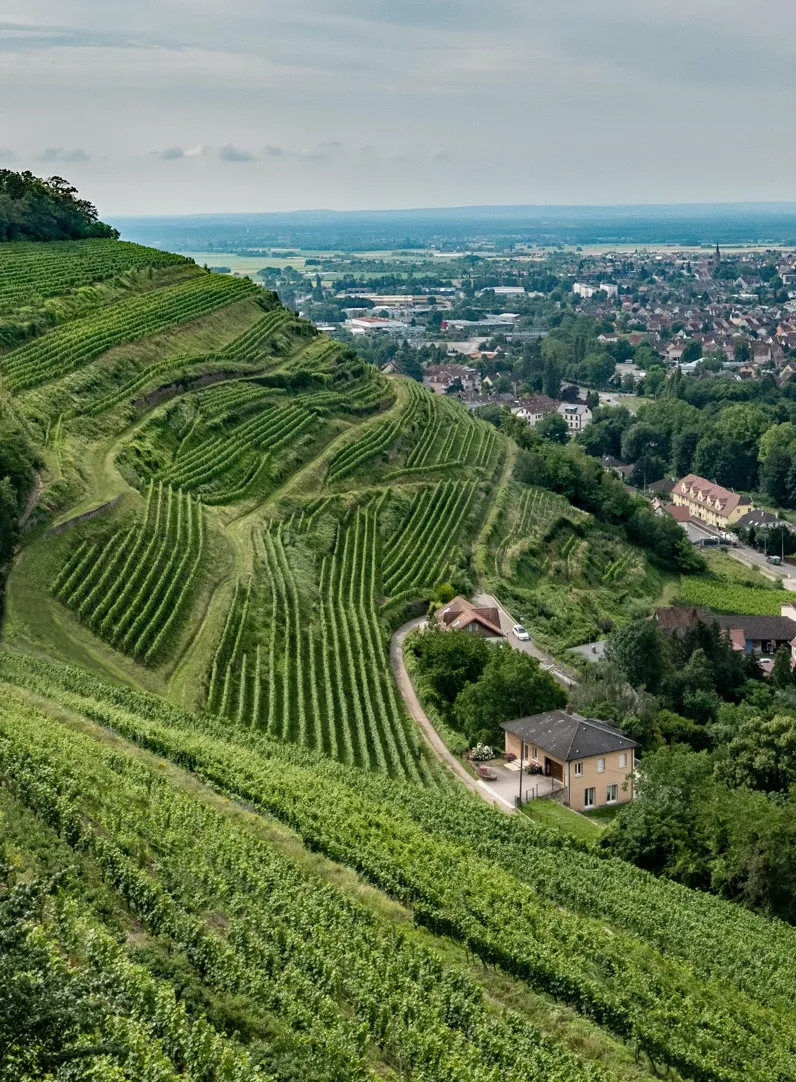
As the world grapples with escalating geopolitical tensions, the G7 Foreign Ministers’ Meeting took place at the picturesque Abbaye des-Vaux-de-Cernay in France from March 26 to 27. This gathering brought together key figures from the G7 nations, which include Canada, Germany, Italy, Japan, the United Kingdom, and the United States, alongside India, invited as a partner country.
During the meeting, External Affairs Minister Dr. S. Jaishankar represented India and emphasized the urgent need for reforms in global governance. He stated, “I spoke about reform of global governance,” highlighting the importance of adapting international structures to current challenges.
The agenda was notably focused on the crisis in West Asia, with a dedicated session addressing the region’s complexities. As tensions escalated, particularly following Iran’s actions that blocked the Strait of Hormuz, the G7 ministers discussed strategies to maintain the vital shipping route, which handles 20% of the world’s oil and LNG.
Global oil and gas prices surged in response to these developments, underscoring the interconnectedness of energy security and geopolitical stability. The G7 serves as a critical forum for its members to coordinate responses to such challenges, as noted in the meeting’s discussions.
In a different arena, the atmosphere in France was also charged with excitement as the national football team faced Brazil in a recent match. Kylian Mbappe scored the opening goal, leading France to a 2-0 victory despite being reduced to ten men after Dayot Upamecano received a red card. Brazil’s performance drew criticism, with commentators noting, “This wasn’t Brazil’s day.”
As the G7 meeting concluded, the discussions on energy security and the West Asia crisis resonated beyond the conference room, reflecting the urgency of these issues in today’s global landscape. The outcomes of this meeting could have lasting implications for international relations and economic stability.
With the G7 Foreign Ministers’ Meeting now behind us, the focus shifts to how these discussions will translate into action on the ground. The international community watches closely as nations navigate these pressing challenges.
Details remain unconfirmed regarding specific agreements or actions that may arise from the meeting, but the dialogue itself signifies a commitment to addressing critical global issues.