

Reaction from the field
The legacy of Fidel Castro continues to resonate deeply within Cuba, shaping the political landscape and influencing the lives of millions. The transition from Fidel to his brother Raúl Castro marked a pivotal moment in the nation’s history, as Raúl took the reins of leadership in 2008. Under his presidency, Cuba faced numerous challenges, including economic reforms and international relations that were heavily impacted by the policies of the United States.
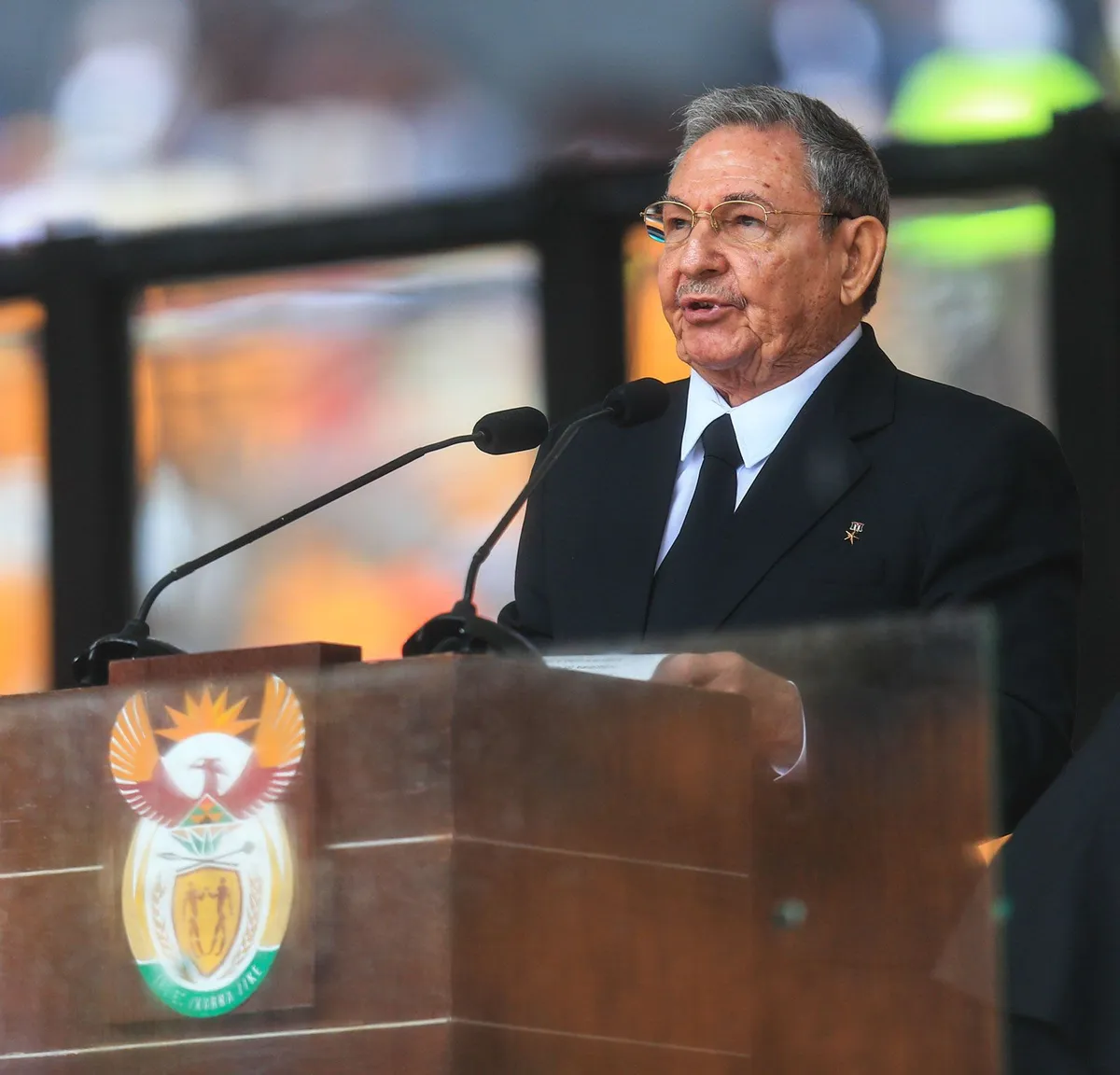
Raúl Castro’s leadership was characterized by significant changes aimed at revitalizing the Cuban economy, which had been struggling under the weight of an ongoing economic blockade and internal inefficiencies. His administration implemented various reforms, including the removal of wage restraints and the allowance of private enterprise, which resulted in the laying off of approximately 500,000 government employees. This shift was crucial, as it aimed to adapt to the needs of a population where 70 percent were born after the triumph of the revolution led by Fidel Castro.
Despite these reforms, Cuba faced severe economic difficulties, particularly highlighted by an 11 percent decline in GDP in 2020. The situation was exacerbated by the oil blockade imposed by the Trump administration, leading to nationwide blackouts and a humanitarian crisis that drew the attention of the United Nations. The organization warned that the prolonged power outages and economic issues were creating a dire situation for the Cuban people.
Raúl Castro’s tenure also saw a historic thaw in relations with the United States, particularly during talks with President Barack Obama in 2014. These discussions led to the reopening of embassies and a re-establishment of diplomatic relations, a significant shift after decades of hostility. However, the subsequent administration under Donald Trump reversed many of these policies, further complicating Cuba’s international standing.
As Raúl Castro announced his retirement from the Communist Party in April 2021, he reflected on the historical privilege of correcting the errors made during the revolution. His departure marked the end of an era, as he had been a key figure in the Cuban government since the revolution in 1959, serving as defense minister and later as president of the Council of State and the Council of Ministers.
Current President Miguel Díaz-Canel has emphasized the need for dialogue and common agendas to address the ongoing challenges facing Cuba. The health situation in the country has become increasingly concerning, with the World Health Organization noting that the delivery of health services is in peril. As Cuba navigates these turbulent waters, the legacy of Fidel Castro looms large, influencing both the political strategies and the daily lives of Cubans.
Looking ahead, Cuba’s future remains uncertain. The economic reforms initiated by Raúl Castro have laid the groundwork for potential change, but the impact of international relations, particularly with the United States, will play a crucial role in shaping the nation’s trajectory. As the Cuban people continue to grapple with the consequences of past policies and current challenges, the enduring legacy of Fidel Castro will undoubtedly remain a significant factor in their lives.