




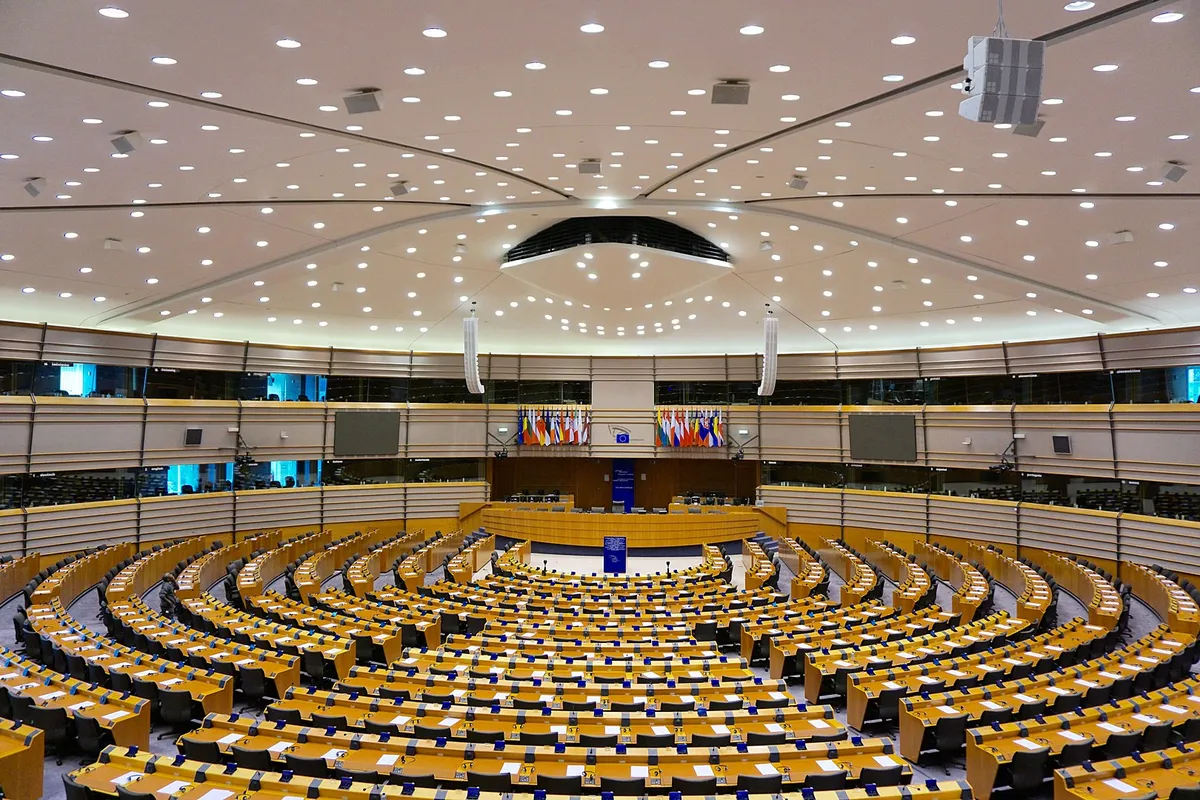
The European Parliament has traditionally acted as a brake on hardline instincts of EU governments on migration. However, a recent vote has shifted this dynamic significantly, raising concerns about the future of refugee rights in Europe.
On March 27, 2026, the Parliament voted on new EU return policies, resulting in 389 votes in favor, 206 against, and 32 abstentions. This decisive moment marked a departure from previous expectations, as the proposed law now allows for the detention of individuals with no right to stay in the EU for up to two years, an increase from the current maximum of 18 months.
Moreover, the new policies propose the establishment of ‘return hubs’ outside the EU for deported individuals, a move that has drawn sharp criticism. Countries like Germany, the Netherlands, Austria, Greece, and Denmark are collaborating to set up these hubs, which many fear will lead to asylum seekers disappearing into ‘legal black holes’ beyond EU borders.
Experts and human rights advocates have reacted strongly to the vote. Charlie Weimers remarked, “The era of deportations has begun,” signaling a troubling shift in EU migration policy. Marta Welander expressed concern that the new laws will strip individuals of rights and protections based solely on their migration status, paving the way for a more punitive EU asylum regime.
Critics have highlighted the harsh penalties included in the proposals for those who refuse relocation to the return hubs. Mélissa Camara described the vote as “a vote of shame that gave the green light to the detention of children sometimes without real legal grounds.” This sentiment underscores the gravity of the implications for vulnerable populations.
As the dust settles on this vote, the next steps involve negotiations between lawmakers and member states to finalize the legislative text. The outcome of these discussions will be crucial in determining how these policies are implemented and their impact on human rights within the EU.
While the European Parliament’s decision reflects a growing alliance of mostly centre-right and far-right lawmakers, the long-term effects on refugee rights and the treatment of migrants remain to be seen. Details remain unconfirmed regarding how these policies will be operationalized and their real-world implications.