



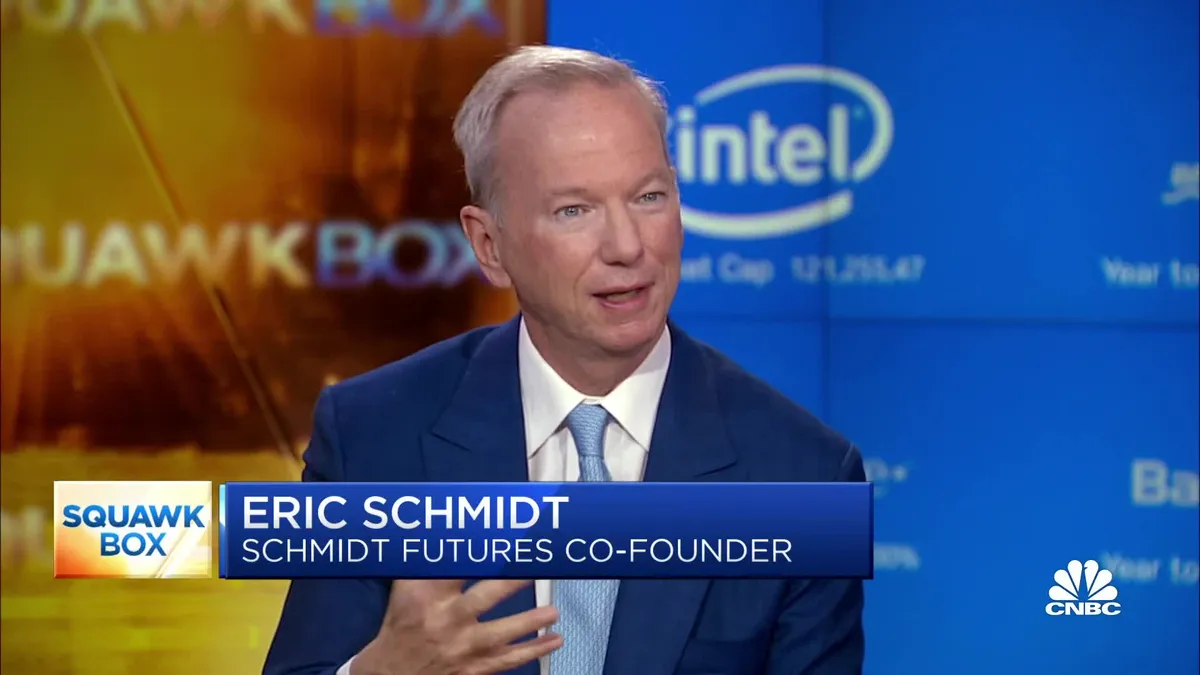
In a rapidly evolving technological landscape, Eric Schmidt asserts that the best programmers no longer write code; instead, they focus on writing specifications and setting evaluation criteria. This shift is largely attributed to the capabilities of artificial intelligence (AI), which can now complete tasks that would have previously required six months and a team of ten engineers at Google.
Schmidt’s insights highlight a significant transformation in the programming profession, where top programmers are expected to become more valuable, not less. “Top programmers will become more valuable, not less,” he states, emphasizing the increasing importance of high-level system orchestration and business automation.
As AI continues to advance, Schmidt predicts that its most substantial impact will be in automating the “boring” backbone of business operations, such as billing, accounting, and logistics. This automation is poised to streamline processes and reduce costs, allowing skilled engineers to focus on more strategic tasks.
Looking ahead, Schmidt forecasts that artificial general intelligence (AGI) will arrive by 2029, driven by self-improving AI technologies. He believes this evolution will further enhance the value of skilled engineers, making them ten times more valuable as they adapt to new roles that prioritize oversight and innovation.
Schmidt’s perspective reflects a broader trend in the tech industry, where traditional coding roles may change significantly. As AI takes on more routine tasks, the nature of programming work is shifting towards higher-level thinking and problem-solving.
As these changes unfold, observers are keenly watching how the industry will adapt to this new paradigm. The transition to an AI-driven programming landscape raises questions about the future skills required in the workforce and how educational institutions will respond to these emerging needs.
Details remain unconfirmed regarding the specific timelines and implications of these changes, but Schmidt’s predictions certainly spark a conversation about the future of work in the tech sector.