




The numbers
Earth Hour marks its 20th anniversary this year, a significant milestone for a movement that began in Australia in 2006. This global initiative encourages nations to turn off their lights for one hour, from 8:30 PM to 9:30 PM, to draw attention to the urgent issue of climate change. Last year alone, over 3 million hours were pledged across 118 countries and territories, showcasing the widespread commitment to environmental action.
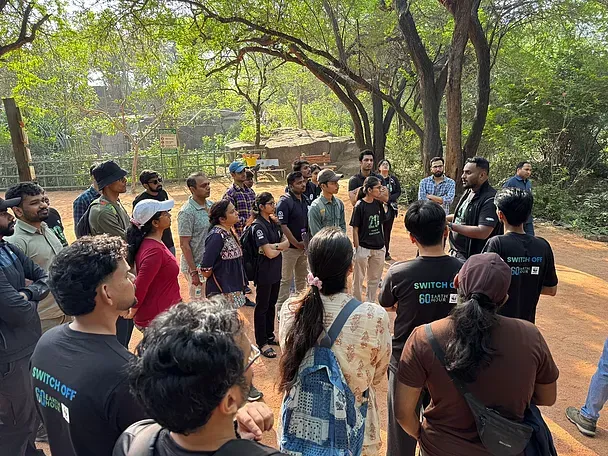
In Gwalior, India, WWF-India organized an awareness campaign to celebrate Earth Hour, emphasizing the importance of community involvement in environmental conservation. The event attracted over 450 participants at the Sanjay Van Earth Hour Mahotsav, highlighting the growing engagement of citizens in ecological initiatives. “Give an Hour for Earth,” was the rallying cry, urging individuals to reflect on their relationship with the planet.
The Delhi Development Authority (DDA) expressed enthusiasm about the event, stating, “Sanjay Van is one of Delhi’s most valuable natural assets, and it is encouraging to see such strong public participation in celebrating and understanding its ecological and historical significance.” This sentiment resonates with the broader goals of Earth Hour, which seeks to foster a deeper connection between people and nature.
Karan Bhalla, COO of WWF-India, articulated the vision for this year’s Earth Hour, saying, “This Earth Hour, we want to go beyond the symbolic act of switching off lights and create an opportunity for people to reconnect with nature in a meaningful way.” This approach reflects a growing recognition that climate action requires not just awareness but also personal engagement and commitment.
As iconic monuments and government buildings across India participated in the switch-off, the event served as a powerful reminder of the collective responsibility to protect our environment. The symbolic act of turning off lights is not merely a gesture; it is a call to action that resonates across borders and cultures. Viviane Raddatz from WWF Germany noted, “With Earth Hour, we are bringing climate action back into the public spotlight. We are making it visible.” This visibility is crucial in maintaining momentum for climate initiatives.
Earth Hour has evolved significantly since its inception, growing into a global movement that spans over 190 countries. The participation of diverse nations underscores the universal concern for climate change and the need for collaborative efforts to address it. As communities come together to celebrate Earth Hour, they also reinforce the message that collective action can lead to meaningful change.
Looking ahead, observers are eager to see how this year’s Earth Hour will inspire further commitments to sustainability and environmental stewardship. The participation of students from 15 states and union territories in India at various events reflects a promising trend towards youth involvement in climate action. As the world continues to grapple with the effects of climate change, the hope is that Earth Hour will serve as a catalyst for ongoing dialogue and action.
Details remain unconfirmed regarding the specific outcomes of this year’s events, but the enthusiasm and participation seen thus far suggest a growing awareness and commitment to addressing climate issues. As Earth Hour continues to shine a light on the importance of environmental action, it invites everyone to consider their role in creating a sustainable future for our planet.