



Reaction from the field
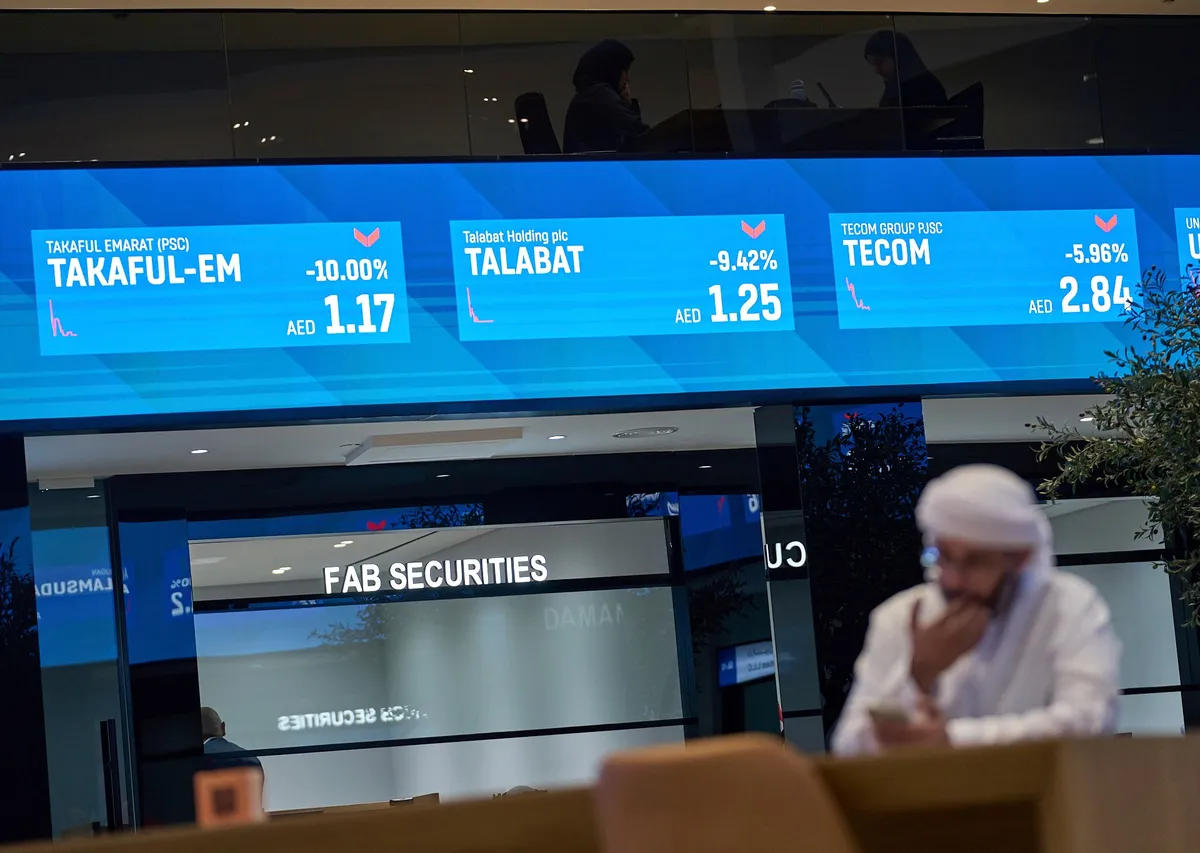
The ongoing conflict known as the Dubai Iran War has had immediate and profound effects on the financial landscape of the UAE, particularly in Dubai and Abu Dhabi. Since the onset of the US-Israel war on Iran, the UAE’s stock markets have collectively lost around $120 billion in value. This staggering figure highlights the stakes involved not just for investors, but for the broader economic stability of the region.
Dubai’s benchmark index has seen a dramatic plunge of about 16 percent since February 28, 2026. The Dubai Financial Market (DFM) General Index alone has lost approximately $45 billion in market capitalisation, while the Abu Dhabi Exchange (ADX) General Index has shed around $75 billion. These losses have led to a palpable sense of uncertainty among investors, as market confidence takes a significant hit.
Adding to the turmoil, a recent drone attack on the Al-Salmi tanker, which was loaded with two million barrels of oil from Kuwait and Saudi Arabia, has raised alarms about the safety of maritime routes in the region. Although no oil leakage or injuries were reported from this incident, it underscores the escalating tensions and the potential for further disruptions to energy supplies. As Zein Basravi noted, “These attacks seem to be getting closer, they’re getting louder, and one of them hit that oil tanker off the coast of the waters of Dubai.” This incident not only highlights the immediate dangers but also reflects the broader implications of the conflict on regional stability.
The conflict, which has lasted for over a month, has resulted in thousands of casualties and has disrupted energy supplies across the Middle East. The rising tensions have also contributed to a 59 percent increase in Brent crude prices in March, further complicating the economic landscape. As Haytham Aoun remarked, “It is clearly a short-term setback to investor sentiment and market confidence, but not necessarily a fundamental challenge to the UAE’s long-term economic plan.” This statement reflects a cautious optimism amid the chaos, suggesting that while the current situation is dire, the long-term outlook may not be as bleak.
Despite these reassurances, the long-term impact of the war on the UAE’s financial markets remains uncertain. Investors are left grappling with the potential for further escalations in the conflict, which could lead to additional market volatility. The situation is fluid, and details remain unconfirmed as the conflict continues to unfold.
As the region braces for what may come next, the implications of the Dubai Iran War extend far beyond immediate financial losses. The interconnectedness of Middle Eastern economies means that a prolonged conflict could have ripple effects across neighboring countries, including Saudi Arabia, Kuwait, Qatar, and Bahrain. The stakes are high, and the potential for broader economic repercussions looms large.
In the midst of this turmoil, diplomatic efforts are crucial. Abbas Araghchi, a senior Iranian official, emphasized, “Iran respects the Kingdom of Saudi Arabia and considers it a brotherly nation.” Such statements highlight the need for dialogue and cooperation in a time of crisis, as regional powers navigate the complexities of their relationships amid escalating tensions.
As the situation develops, the world watches closely, aware that the outcomes of the Dubai Iran War could reshape the economic and political landscape of the Middle East for years to come. Investors and policymakers alike will be keenly monitoring the situation, hoping for a resolution that can restore stability to a region fraught with uncertainty.