



The wider picture
As March unfolds, Delhi typically experiences a gradual rise in temperatures, often reaching around 33°C during the day. However, this year, a notable shift is on the horizon. The India Meteorological Department (IMD) has forecasted rain starting March 18, 2026, accompanied by thunderstorms and gusty winds, marking a significant change in the usual weather pattern for this time of year.
In light of this impending weather, a yellow alert has been issued for Delhi from March 18 to 20. This alert serves as a warning of possible weather disruptions, urging residents to remain cautious while commuting or planning outdoor activities. The IMD’s predictions suggest that the rainfall will provide temporary relief from the high daytime temperatures that have characterized the month so far.
On March 19, the forecast indicates a drop in daytime temperatures to around 29°C, with nighttime lows expected to settle at approximately 19°C. Following this, March 20 is anticipated to bring even cooler conditions, with maximum temperatures likely to fall to 27°C and minimums dipping to 17°C. This shift is particularly noteworthy as it contrasts sharply with the warmer temperatures typically experienced in late March.
Historical data reveals that the average precipitation in Delhi on March 19 was recorded at 9.4 mm, making it the wettest March since 2023. Additionally, the maximum temperature recorded on that day was 26.8 degrees Celsius, the lowest so far this month. Such fluctuations are indicative of the unusual weather patterns that have emerged, prompting experts to take notice.
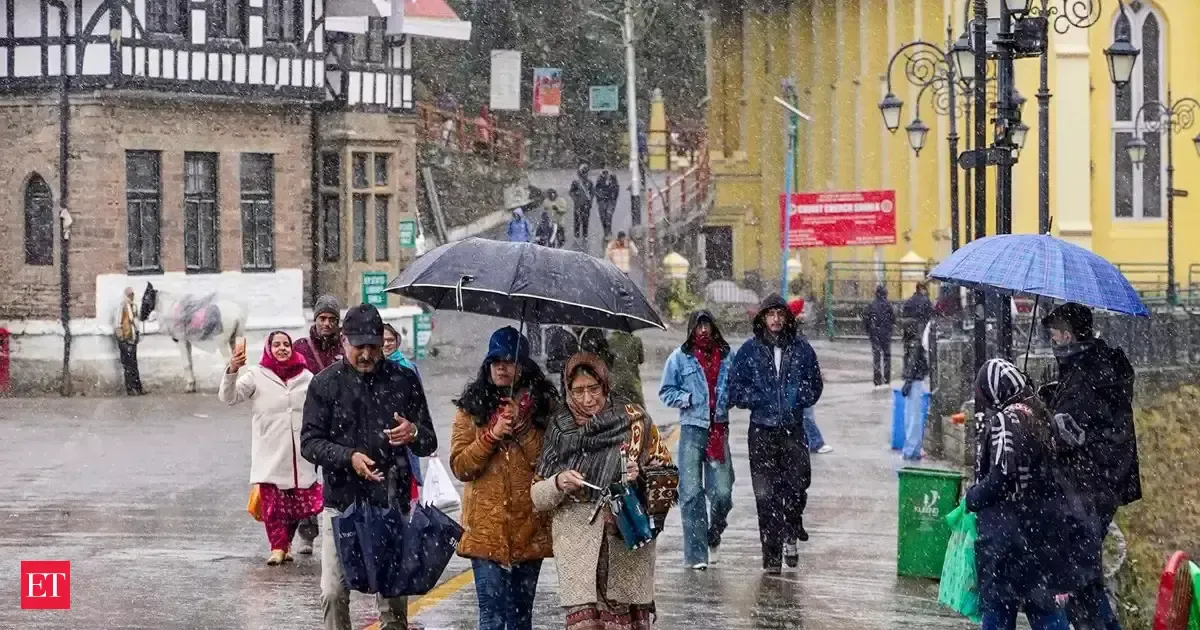
Mahesh Palawat, a meteorologist, explained that the current weather conditions are influenced by a western disturbance system, which is typical for this time of year in northern India. He noted, “The Western disturbance is currently positioned over North Pakistan and adjoining Jammu and Kashmir, which is why the western Himalayan regions are witnessing heavy rainfall.” This system is expected to bring significant changes to the weather in Delhi as well.
Moreover, the rainfall has had a positive impact on the air quality in the capital. Following the precipitation, Delhi’s Air Quality Index (AQI) improved to 137, falling into the ‘moderate’ category. This improvement is a welcome change for residents who have been grappling with pollution levels that often soar during the warmer months.
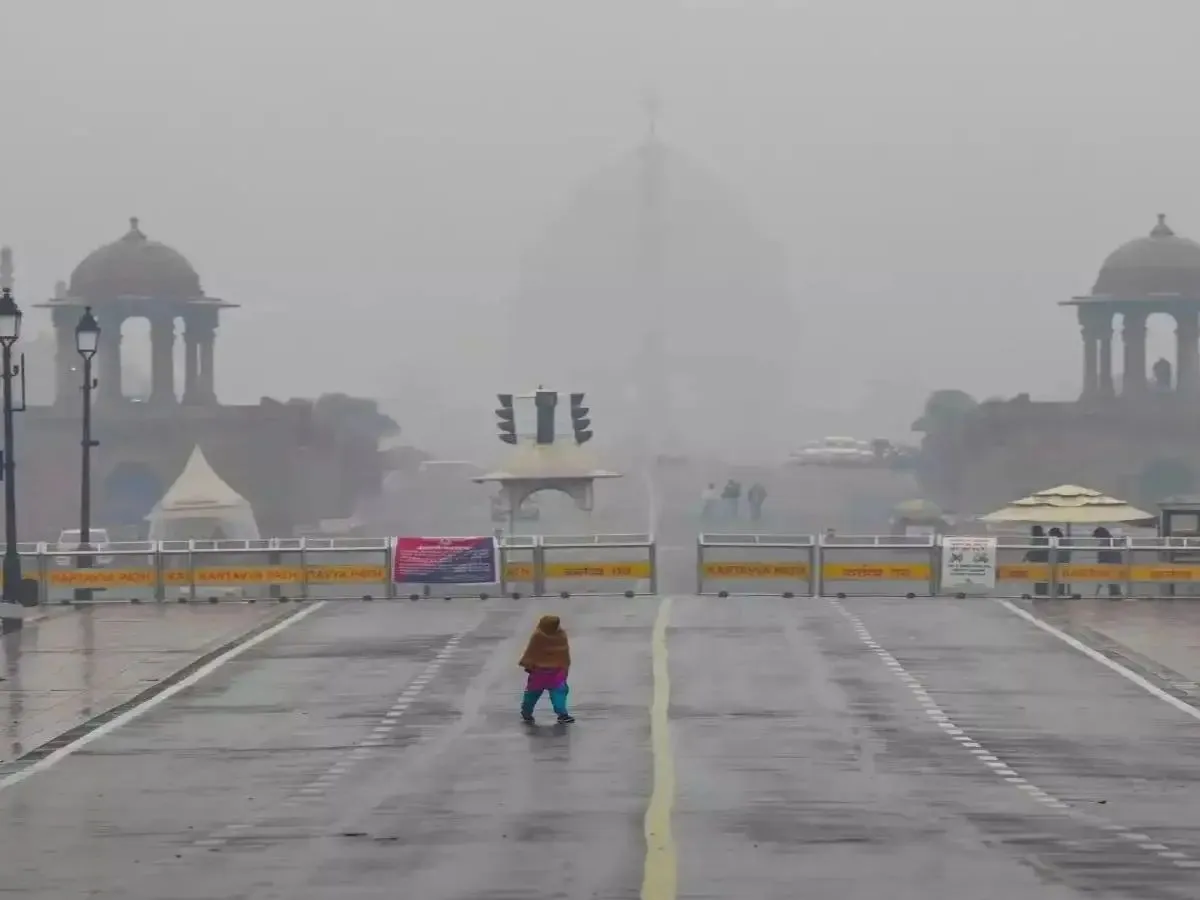
Interestingly, the weather has also led to the formation of fog in Delhi, attributed to a mix of rain-soaked air and overnight cooling. As temperatures dropped sharply to 13 degrees Celsius, residents experienced an unusual overlap of winter-like mornings and pre-summer afternoons, further emphasizing the unpredictability of the current weather patterns.
Looking ahead, the IMD predicts that another spell of rain could hit the capital early next week, suggesting that the cooler temperatures and precipitation may persist for a while longer. As temperatures in Delhi continue to run below what is typical for late March, residents are advised to stay informed and prepared for the evolving weather conditions.