


Reaction from the field
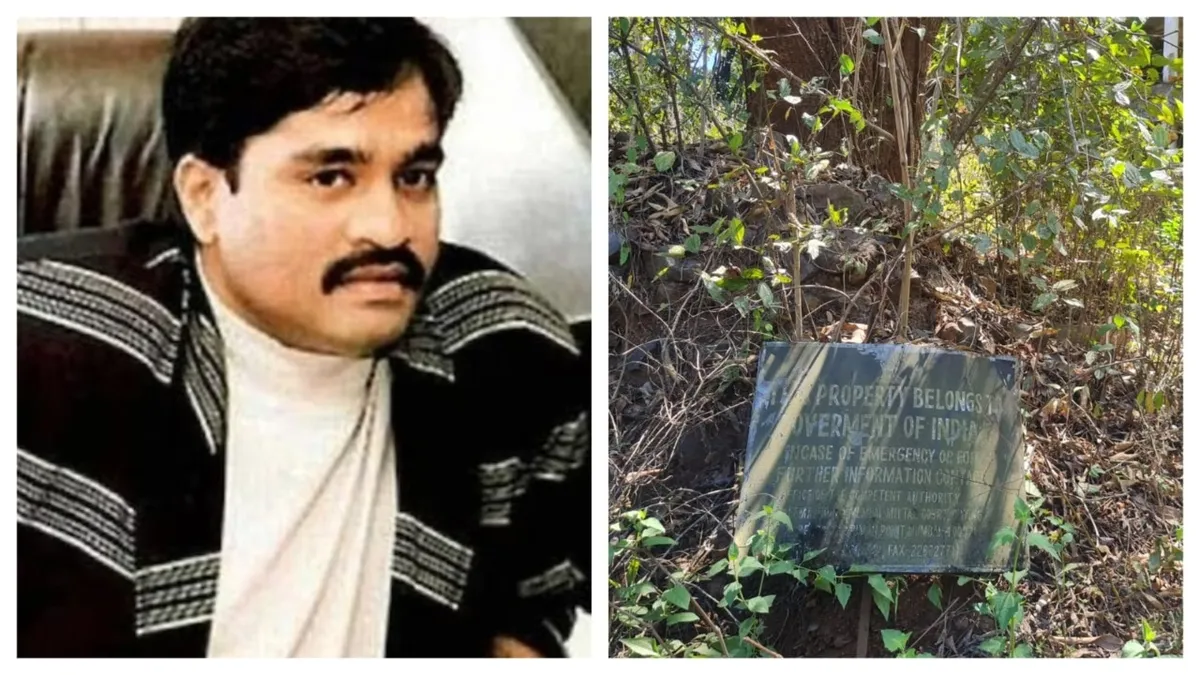
The recent auction of Dawood Ibrahim’s properties in Ratnagiri, Maharashtra, marks a pivotal moment in the Indian government’s ongoing efforts to dismantle the financial foundations of organized crime. Following several unsuccessful attempts, the auction took place on March 5, 2026, and involved four agricultural plots registered in the name of Ibrahim’s mother, Amina Bi. This development is seen as a significant step in the broader strategy to liquidate assets linked to criminal networks.
The auction’s success is noteworthy, with two buyers emerging from the process. One buyer secured a single plot, while another acquired three plots. The reserve price for one of these plots was set at 9 lakh, but it ultimately sold for 10 lakh, indicating a competitive bidding environment. This transaction is part of a larger initiative under the Smugglers and Foreign Exchange Manipulators (Forfeiture of Property) Act (SAFEMA), aimed at reclaiming properties tied to illicit activities.
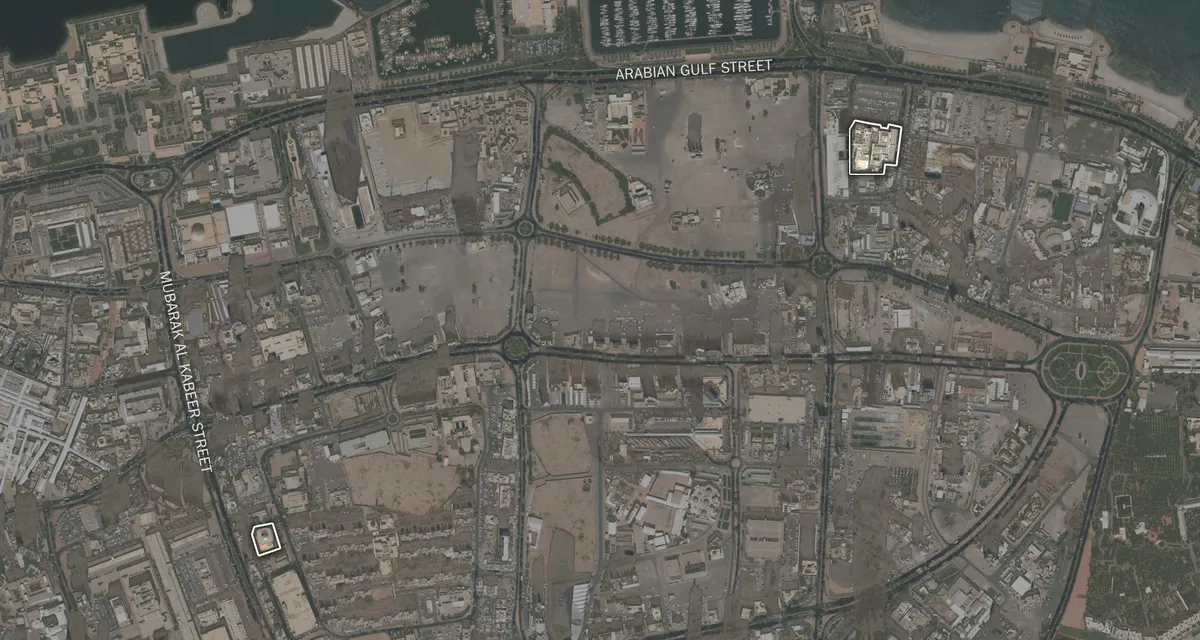
Dawood Ibrahim, a figure synonymous with organized crime in India, has been a fugitive since the 1993 Mumbai blasts, which he orchestrated and which resulted in the deaths of over 250 individuals. His criminal empire, initially rooted in gold smuggling and counterfeit currency, evolved into a narco-terror operation with connections to Al-Qaeda. The United Nations Security Council has listed multiple addresses for him in Karachi, further complicating efforts to bring him to justice.
Despite the successful auction, the identities of the buyers remain undisclosed, adding an air of mystery to the proceedings. The Indian government views this sale as a crucial step in its fight against organized crime, as highlighted by an official who stated, “The successful sale is being viewed as a key step in the government’s broader effort to liquidate properties linked to criminal networks.” This sentiment underscores the importance of dismantling the financial infrastructure that supports figures like Ibrahim.
Interestingly, Ibrahim has recently resurfaced in public discourse, partly due to his portrayal as ‘Bade Sahab’ in the film Dhurandhar 2, directed by Aditya Dhar. This cinematic representation has reignited interest in his notorious legacy, prompting discussions about the implications of glorifying such figures in popular culture. The film’s release has coincided with renewed scrutiny of Ibrahim’s past and present, as well as the ongoing efforts to capture him.
While the auction represents a tangible victory for authorities, uncertainties linger regarding Ibrahim’s current health and whereabouts. Reports of his death have circulated over the years, yet none have been officially confirmed. This ambiguity adds a layer of complexity to the narrative surrounding Ibrahim, as law enforcement continues to grapple with the challenges of apprehending a figure who has eluded capture for decades.
As the auction results unfold, the implications for Ibrahim’s criminal empire and the broader fight against organized crime in India remain to be seen. The successful liquidation of these properties may serve as a deterrent to others involved in similar activities, but the question of whether it will lead to Ibrahim’s eventual capture or demise remains unanswered. Details remain unconfirmed, and the saga of Dawood Ibrahim continues to captivate and concern the public and authorities alike.