



How it unfolded
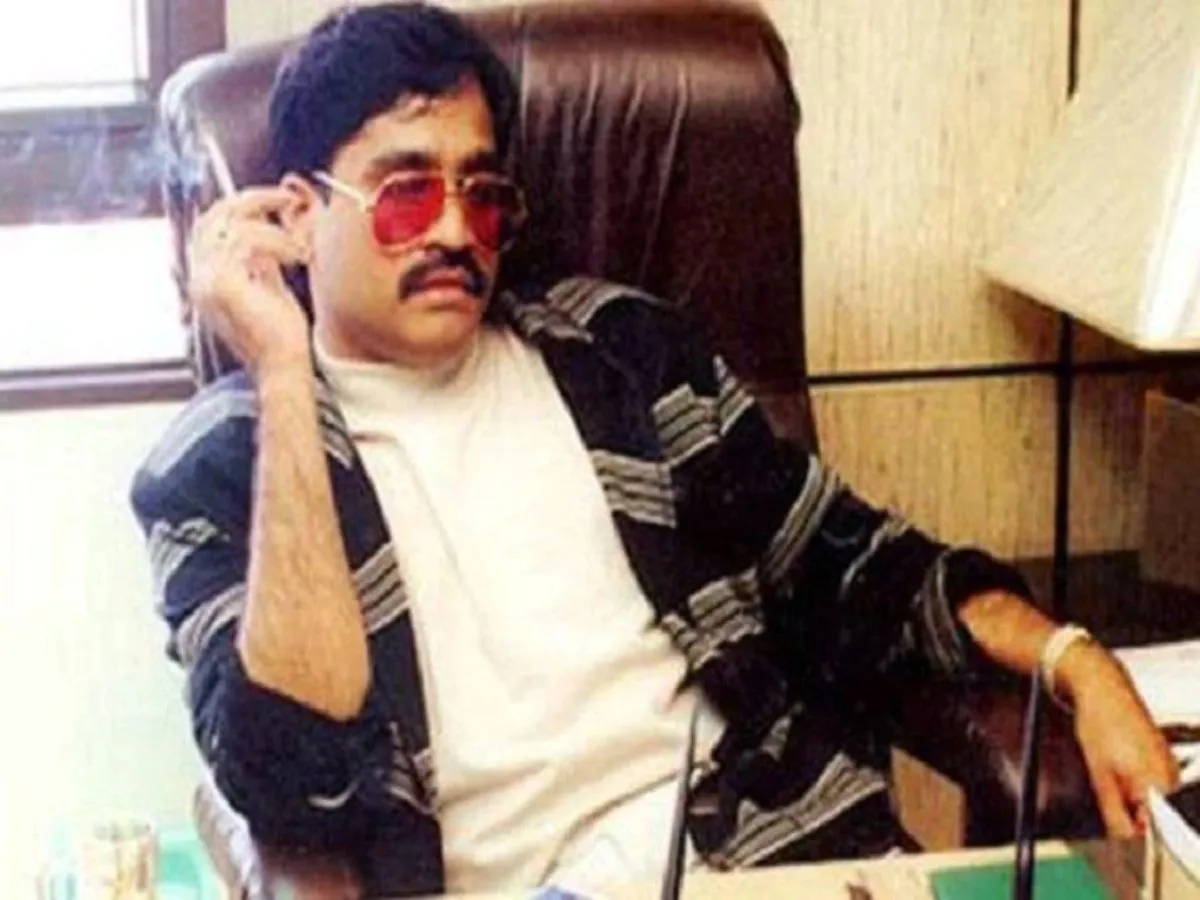
The saga of Dawood Ibrahim, a notorious figure in the world of organized crime and terrorism, has captivated public attention for decades. As a wanted terrorist in India, he is implicated in the 1993 Mumbai serial blasts that resulted in the tragic loss of over 250 lives. Since then, Ibrahim has been a fugitive, reportedly residing in Karachi, Pakistan, where he has multiple addresses, as noted by the UN Security Council.
Reports from late August 2020 suggested that Ibrahim was still alive and living in Karachi, despite the persistent rumors surrounding his health and status. The UN Security Council has listed him as associated with Al-Qaeda since November 2003, highlighting his ongoing connections to global terrorism. His criminal network, known as D-Company, has evolved from a gold smuggling operation to a significant player in international terrorism.
In recent years, Ibrahim’s name resurfaced in the media following the release of the film “Dhurandhar 2”. The character ‘Bade Sahab’ in the film is heavily implied to be based on him, reigniting public interest in his life and activities. As the film hit theaters, it brought with it a wave of speculation regarding Ibrahim’s current whereabouts and whether he is indeed dead or alive.
Adding to the intrigue, Zahoor Mistry, a figure linked to Ibrahim’s network, was shot dead in Karachi on March 1, 2026. Mistry’s funeral attracted senior figures associated with Jaish-e-Mohammed, further entrenching the narrative of a thriving underworld in Pakistan that continues to operate with impunity. The absence of a clear narrative regarding Ibrahim’s status has only deepened speculation about his fate.
Historically, Dawood Ibrahim fled India in 1993, with substantial backing from Pakistan, marking the beginning of his life as a fugitive. His transformation from a gold smuggler to a terrorist entity was solidified with the orchestration of the Mumbai blasts, which were a turning point in his criminal career. India’s ambassador to the United Nations has remarked on this transformation, emphasizing the calculated nature of Ibrahim’s escape from India.
Despite the passage of time, Ibrahim’s influence remains palpable, with his organization continuing to be linked to various terrorist activities. The Financial Action Task Force (FATF) has banned 88 individuals and entities in Pakistan under compliance measures, reflecting the international community’s ongoing concern regarding terrorism emanating from the region.
As of now, the exact status of Dawood Ibrahim’s health and current activities remains unconfirmed. While there have been reports of his death, none have been officially verified, leaving the public and authorities in a state of uncertainty. This ongoing mystery not only affects those directly involved but also raises questions about the broader implications for international security and counter-terrorism efforts.
In the end, the narrative surrounding Dawood Ibrahim is not just about one man; it encapsulates the complexities of crime, terrorism, and the geopolitical landscape of South Asia. As the world watches, the question lingers: Is Dawood Ibrahim dead or alive?