


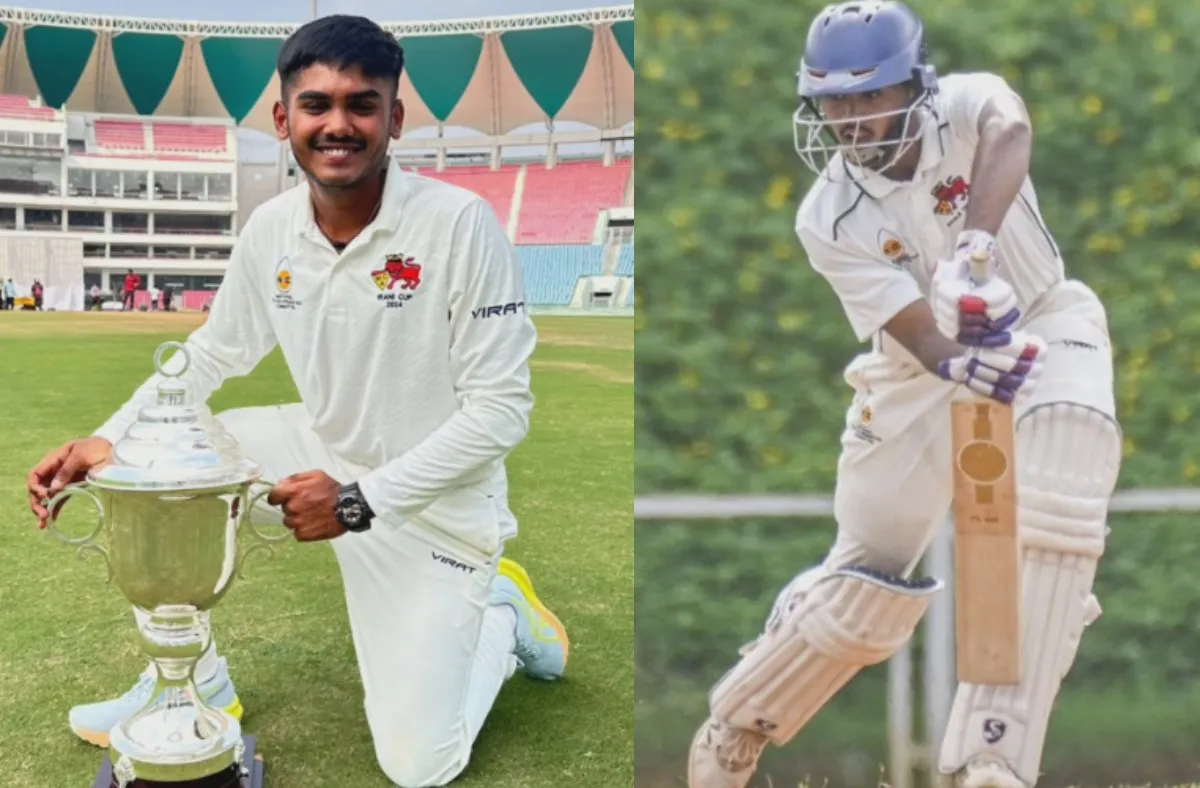
In the lead-up to the IPL 2026 match between Chennai Super Kings (CSK) and Delhi Capitals, expectations were high for young talent Ayush Mhatre. As an 18-year-old captain of the U19 World Cup-winning team, he was seen as a promising player capable of making significant contributions to CSK’s batting lineup.
However, the match took a surprising turn when Mhatre, who had scored a commendable 59 runs off 36 balls, was retired out in the 18th over. This marked a decisive moment, as it was only the sixth instance of a player being retired out in IPL history. The decision was tactical, aimed at bringing in Shivam Dube to accelerate scoring in the final overs.
Mhatre’s innings included an impressive strike rate of 163.89, showcasing his ability to hit boundaries with 3 fours and 4 sixes. His partnership with Sanju Samson was particularly noteworthy, adding 113 runs for the second wicket and setting a solid foundation for CSK’s innings.
CSK finished their innings with a total of 212 runs for 2 wickets, ultimately winning the match by 23 runs. Mhatre’s retirement out, while a strategic move, also counted as a wicket in the match, raising questions about the emotional impact on the young player.
Reflecting on the decision, Mhatre stated, “There was nothing much. I was batting and the team needed some big shots. Shivam also can hit big shots. I wasn’t really getting it going, so the team planned it that way. It happens in the game.” His comments highlight the team’s focus on winning, even at the cost of individual milestones.
Despite the tactical reasoning, some observers noted the emotional toll on Mhatre. One commentator remarked, “Mhatre was heartbroken for sure,” while another added, “One feels bad for him. One can’t help thinking that because he was a budding cricketer, it was easier to remove him.” This sentiment underscores the delicate balance between strategy and player morale in competitive sports.
As Mhatre continues to develop in his cricketing career, the support from his teammates and coaching staff remains crucial. He expressed his appreciation, saying, “It’s very different and feels like a family for me. They treat me like a kid, so I really enjoy playing with them. The support staff is also helping a lot and working hard for us.” This camaraderie may help him navigate the complexities of professional cricket.
The implications of Mhatre’s retirement out extend beyond this single match, prompting discussions about player management and tactical decisions in cricket. As teams strive for victory, the emotional and psychological aspects of such decisions will likely continue to be a topic of interest.