


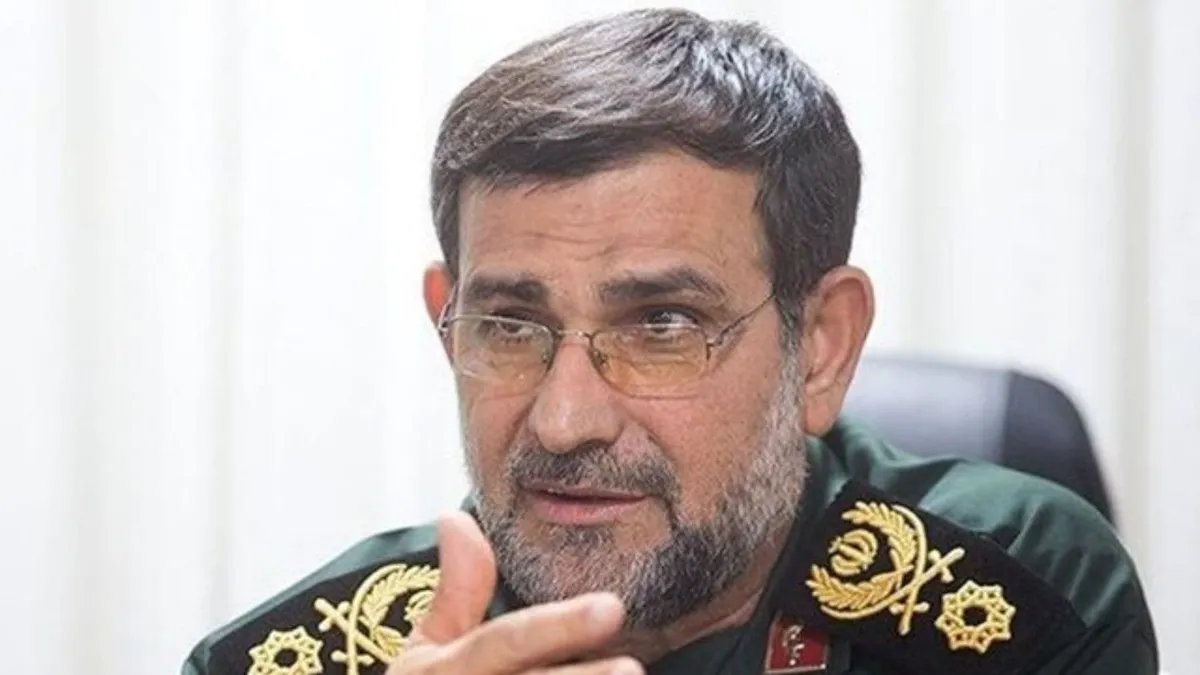
Before the recent developments, Alireza Tangsiri was a prominent figure in Iran’s naval strategy, having led the Islamic Revolutionary Guard Corps’ Navy since August 2018. His aggressive tactics were well-known, particularly his role in directing attacks on oil tankers and commercial vessels in the strategically vital Strait of Hormuz, through which one-fifth of the global oil and gas trade passes. Tangsiri’s leadership was marked by a significant buildup of naval capabilities, and he was closely linked to efforts aimed at restricting maritime movement in the region.
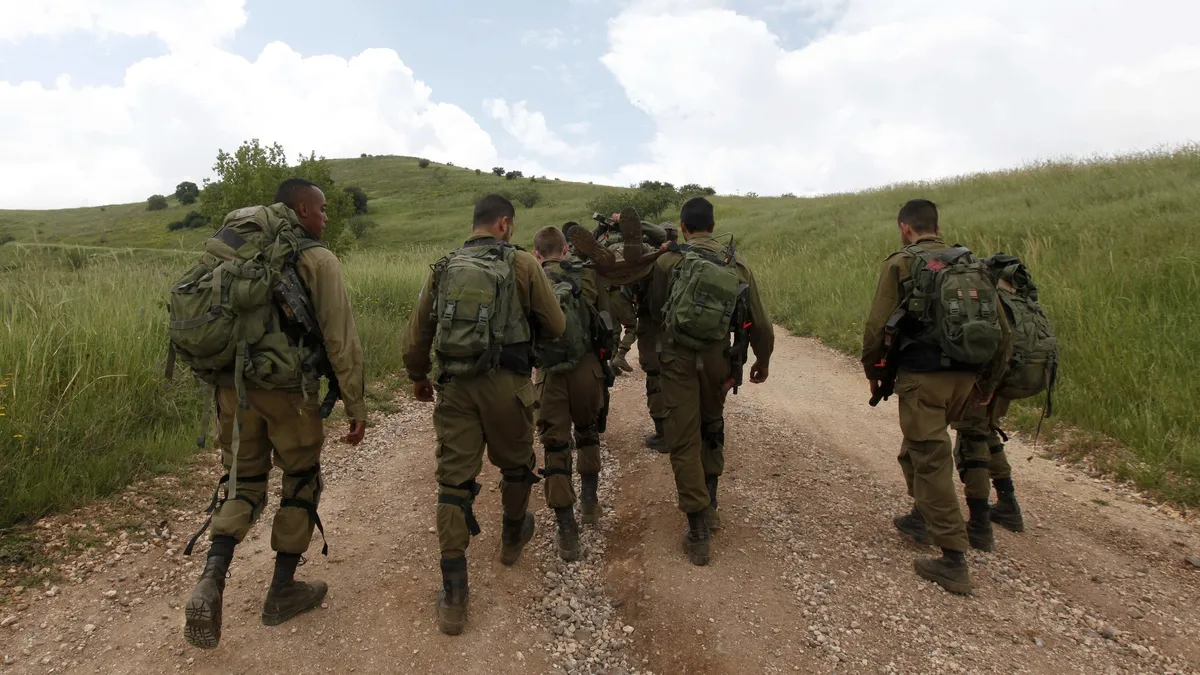
However, a decisive moment occurred on March 26, 2026, when Tangsiri was killed in an Israeli strike in Bandar Abbas at 3 a.m. local time. This event marks a significant escalation in the ongoing conflict across West Asia, as Tangsiri had been a central figure in Iran’s military posture against both Israel and the United States. His death has raised questions about the future of Iranian naval operations and the broader implications for regional security.
The immediate effects of Tangsiri’s killing are profound. Israeli officials noted that he was ‘responsible for the closure’ of the Strait, indicating that his absence could alter the dynamics of maritime security in the Gulf. In response to his death, Tangsiri had previously threatened retaliation against U.S. facilities in the region, suggesting that Iran may seek to escalate its military responses in the wake of this loss.
Experts have weighed in on the implications of this shift. Benjamin Netanyahu stated, “We continue to strike the targets of the Iranian terror regime with force,” highlighting Israel’s ongoing commitment to countering Iranian influence. Meanwhile, Israel Katz remarked that this development is significant for American partners, as it reflects the Israeli Defense Forces’ role in potentially reopening the Strait of Hormuz.
Details remain unconfirmed regarding the exact circumstances of Tangsiri’s death, but the impact on the ongoing conflict remains unclear. The IRGC Navy, under his leadership, had been known for its aggressive maritime tactics and opposition to U.S. interests in the region, raising concerns about the potential for increased hostilities.
As the situation unfolds, the strategic landscape in the Strait of Hormuz is poised for change. With Tangsiri’s death, both Iran and its adversaries may recalibrate their military strategies, leading to further tensions in a region already fraught with conflict.