



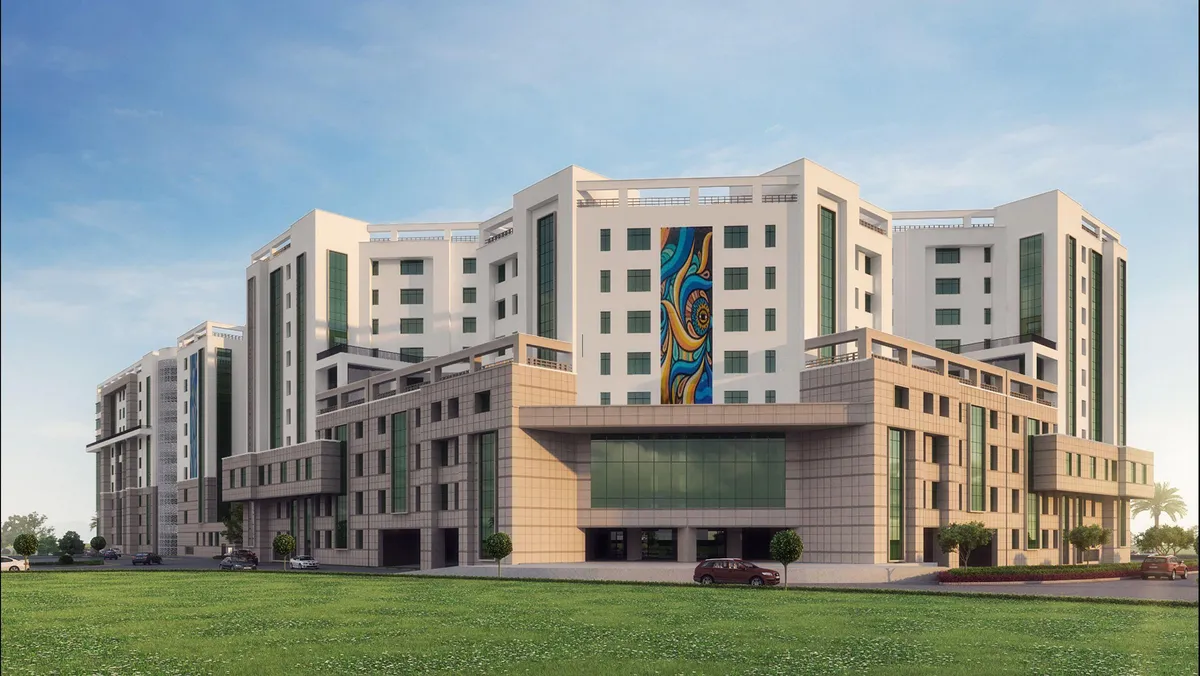
AIIMS Mangalagiri has made significant strides since its inception, particularly in the realm of medical education and healthcare services. The institution began its MBBS course in 2018 with an initial intake of just 50 students. Today, it boasts a total of 748 MBBS students, with an annual intake of 125 students. Recently, AIIMS Mangalagiri celebrated a milestone by conferring degrees on 49 MBBS graduates, five MD/MS postgraduate students, and four Post-Doctoral Certificate Course students.
The hospital has also achieved remarkable operational success, completing a staggering 31 lakh outpatient department (OPD) consultations. Currently, it serves around 3,500 to 4,000 patients daily, underscoring its vital role in the healthcare landscape of Andhra Pradesh.
In a recent development, AIIMS Mangalagiri has installed a Nucleic Acid Amplification Testing (NAAT) system, a first among all AIIMS institutions in South India. This advanced system, which cost approximately ₹1.73 crore, is capable of detecting viral RNA and DNA with high sensitivity, enabling early identification of infections such as HIV, Hepatitis B, and Hepatitis C. Ahanthem Singh, a key figure in the institution, remarked, “The NAAT system enhances safety by significantly reducing the diagnostic window period.”
Union Minister Anupriya Patel emphasized the government’s commitment to the medical sector, stating, “The Union government under the leadership of Prime Minister Narendra Modi is giving utmost priority to the medical sector.” This reflects a broader initiative to safeguard the health needs of the country’s poorer populations.
As AIIMS Mangalagiri continues to grow and innovate, observers are keenly watching its impact on medical education and healthcare delivery in the region. The advancements in technology and the increasing number of graduates are expected to contribute positively to the healthcare system in Andhra Pradesh.