


“Iran wants to make a deal so badly,” said former President Donald Trump, reflecting the complex dynamics of the ongoing conflict that erupted on February 28, 2026. The assassination of Iran’s Supreme Leader, Ali Khamenei, was a pivotal moment, aimed at destabilizing the Iranian regime’s command structure. In the aftermath, his son, Mojtaba Khamenei, ascended to power, marking a significant shift in Iran’s leadership.
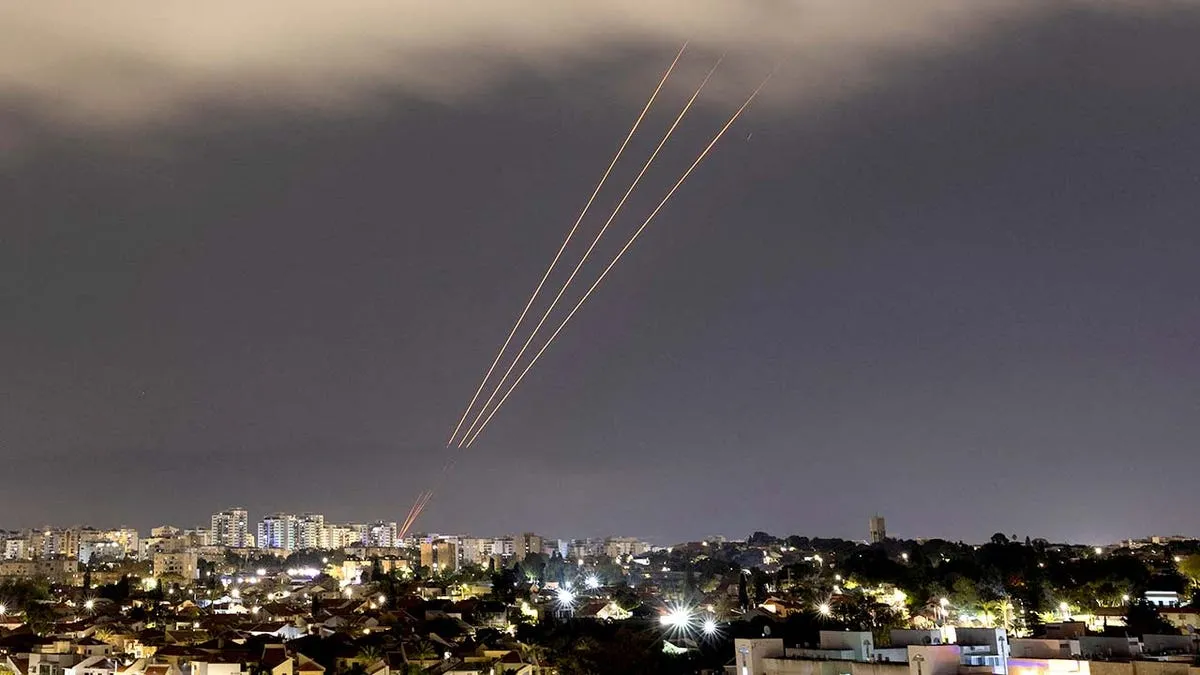
The conflict has seen Iran retaliate with ballistic missile and drone strikes targeting both Israeli cities and US military bases in the Gulf. This escalation has led to unprecedented operational coordination among Gulf monarchies, the US, and Israel, as they seek to counter Iran’s aggressive maneuvers. Oil prices have surged past $120 per barrel, reflecting the heightened tensions and the critical role of the Strait of Hormuz, which carries about 25 percent of the world’s oil.
As the war unfolds, Iran has firmly rejected US terms for negotiations, demanding reparations and sovereignty guarantees over the Strait of Hormuz. In stark contrast, US military strategy has seen the deployment of tens of thousands of additional troops and multiple carrier strike groups to the region, demonstrating overwhelming military superiority. Yet, Iran retains the capacity to impose significant costs, raising questions about the effectiveness of the US approach.
Benjamin Netanyahu, the Israeli Prime Minister, stated, “We will continue to strike Iran and safeguard our vital interests under all circumstances.” This commitment underscores the resolve of Israel and its allies to confront Iran militarily, despite the risks of a protracted war of attrition. The conflict has evolved from a military episode into a structural rupture in West Asia’s strategic equilibrium, with both sides seemingly unwilling to back down.
Details remain unconfirmed regarding whether Tehran is willing to negotiate or if Israel would agree to a ceasefire. Mohammad Bagher Qalibaf, the Speaker of the Iranian Parliament, emphasized, “No negotiations have been held with the United States.” This statement highlights the deepening rift between the two nations, as diplomatic channels appear to be closing amid escalating hostilities.
As of now, the US has laid out a ceasefire plan with 15 points, but the long-term implications of the conflict on regional stability remain unclear. Iran’s nuclear material, including a stockpile of 200 kilograms of 60 percent enriched uranium-235 stored in Esfahan, poses a significant concern for both the US and its allies, further complicating the situation.
In the face of these developments, the international community watches closely. The potential for further escalation looms large, as the conflict risks settling into a prolonged struggle with neither side willing to abandon the fight. As Trump noted, the desire for a deal from Iran may not be enough to bridge the widening chasm between the two nations, leaving the future of West Asia hanging in the balance.